
The Ski Standard guide to Chamonix
An essential guide to Chamonix skiing, covering the valley's best terrain for all abilities, budget tips, and top places to stay and eat.
Chamonix comprises separate ski areas spread across a 17km valley. Its terrain ranges from broad blue pistes at Le Tour to the glacial Vallée Blanche, while the town below has around 12,000 permanent residents and far more life than most purpose-built ski bases.
Daily transport shapes each day's plan: skiers choose a sector each morning and reach it by bus or car. Chamonix suits visitors prepared to plan around weather, snow and group ability. It remains strongest for advanced skiers, although intermediates and well-organised beginners have more useful terrain than its reputation suggests.
The skiing
The four principal piste domains are Brévent–Flégère, Grands Montets, Domaine de Balme and Les Houches. The Aiguille du Midi is a lift-access point for the Vallée Blanche and other high-mountain routes.
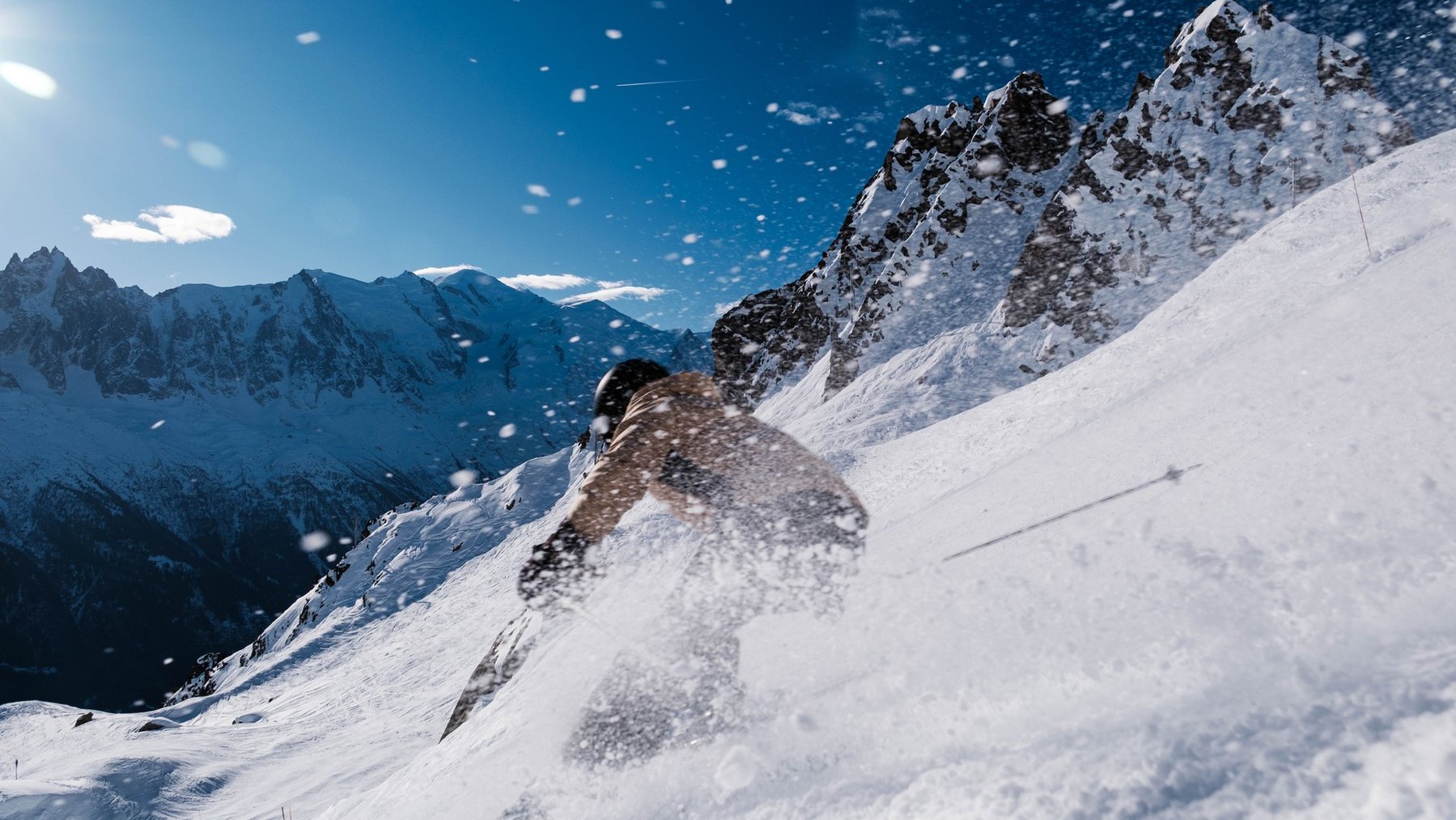
Brévent–Flégère is the most accessible domain from central Chamonix. The linked area faces south, reaches 2,525m and combines sunny blues with good red pistes, black runs and between-piste freeriding. The Mont Blanc views are excellent, though exposed snow can soften quickly in warm weather.
Grands Montets, above Argentière, has the valley’s strongest lift-served advanced terrain and generally preserves snow well on its north-facing slopes. Its pistes are steep, the main routes can become crowded and the upper cable car remains a major absence. Without it, the highest operating lift is the Bochard gondola at 2,765m rather than the former 3,275m summit station.
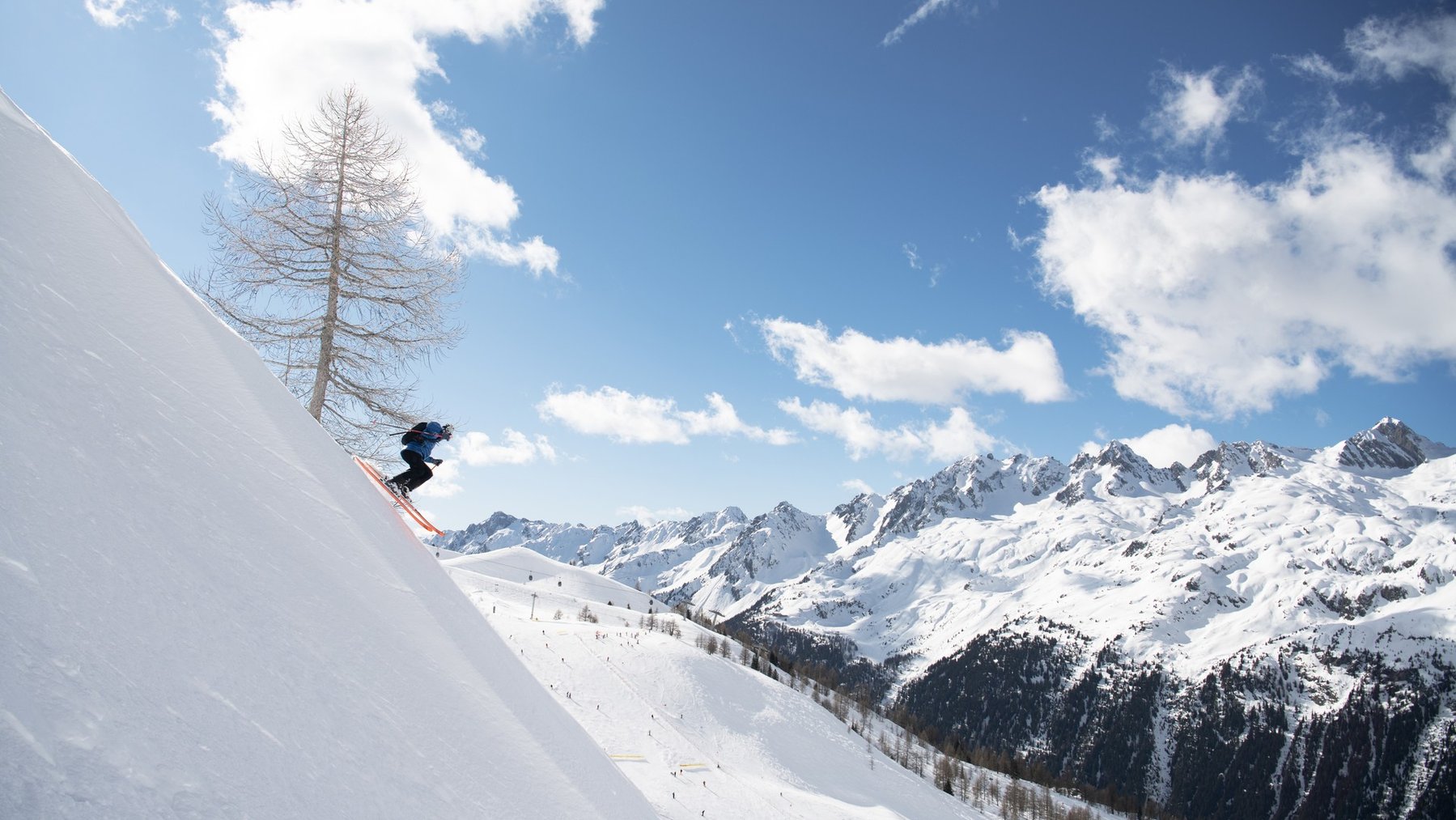
Balme, reached from Le Tour or Vallorcine, is the gentlest major sector. Most of its roughly 20 pistes are easy blues, making it the safest choice for nervous intermediates and learners leaving nursery slopes.
Les Houches has around 20 red and blue runs below the treeline, including some of the valley’s best skiing in flat light. Its lower 1,900m ceiling makes it vulnerable during warm periods, and it is excluded from the basic Chamonix Le Pass.
A normal day means committing to one domain. The free buses connect the principal lift stations, running about every 10 to 15 minutes at peak times, but crossing the valley during the ski day wastes time. Check conditions each morning: Grands Montets can hold firm winter snow while lower slopes around Les Houches are already soft.
Best for beginners
Chamonix has six low-altitude learning areas, but no single network through which a beginner can progress without travelling. Le Savoy is five minutes from central Chamonix, while nearby Les Planards has two greens, a blue and a red. Its north-facing position helps it retain snow at a base altitude of 1,062m.
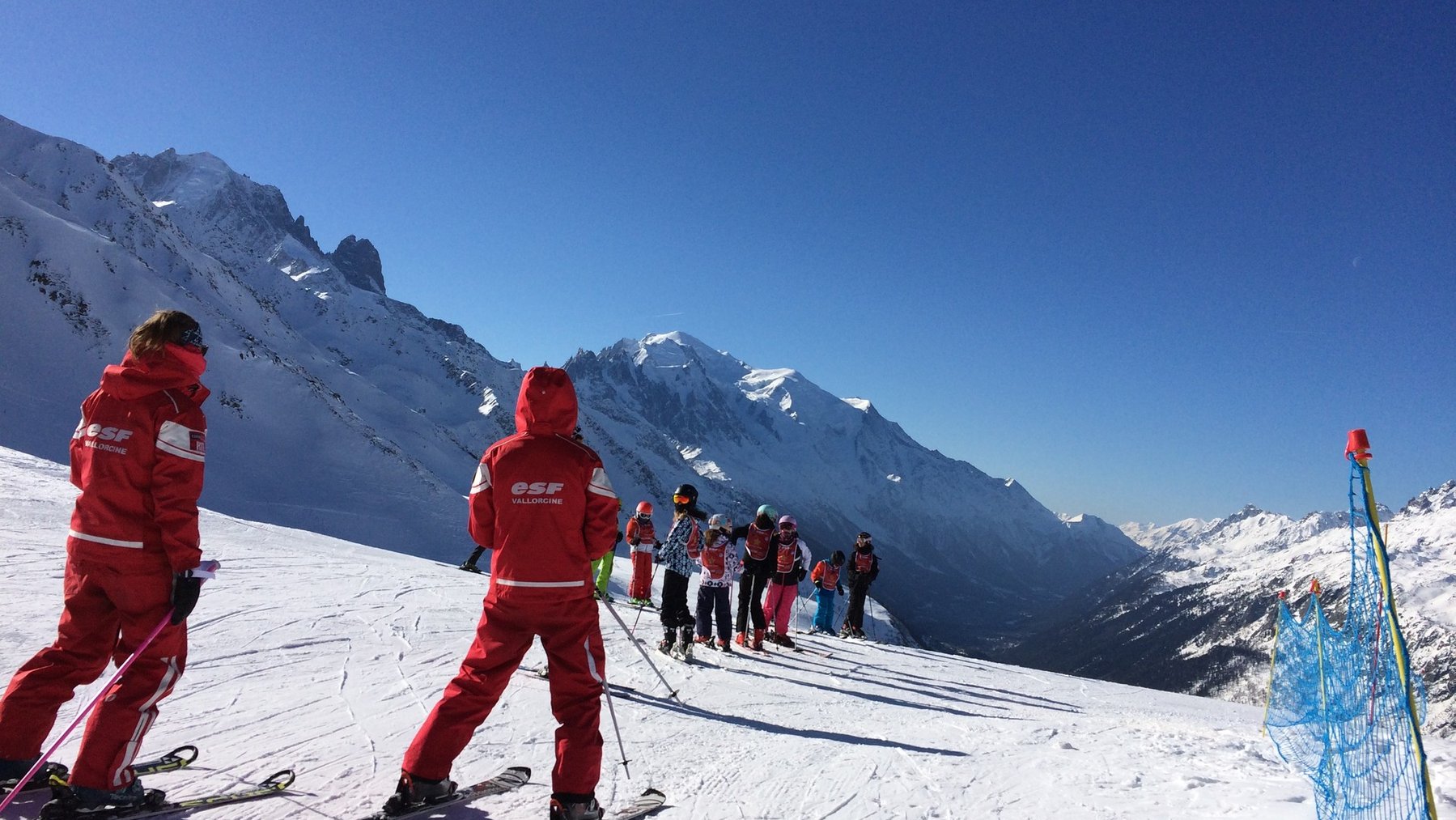
La Vormaine at Le Tour is the strongest starting point when conditions permit. At 1,464m, it is the highest village-level beginner area and has three wide greens, a blue forest run and learning features. From there, skiers can progress onto Balme’s broad blues.
Plateau 2000 at Brévent and La Trappe at Flégère provide higher learning terrain in a proper mountain setting. Les Houches is another good progression option because its gentle pistes are sheltered by trees. Beginners should choose accommodation near their intended lesson area rather than assuming every nursery slope is easily reached on foot.
Best for intermediates
Balme is the clearest choice for easy cruising. Its open blue pistes are less intimidating than the terrain at Grands Montets, with longer runs than the small village learning areas.
Brévent–Flégère offers the best step up, mixing manageable blues with stronger reds and longer descents around the Parsa chairlift. Les Houches works well in bad weather because the trees provide shelter and visual contrast.
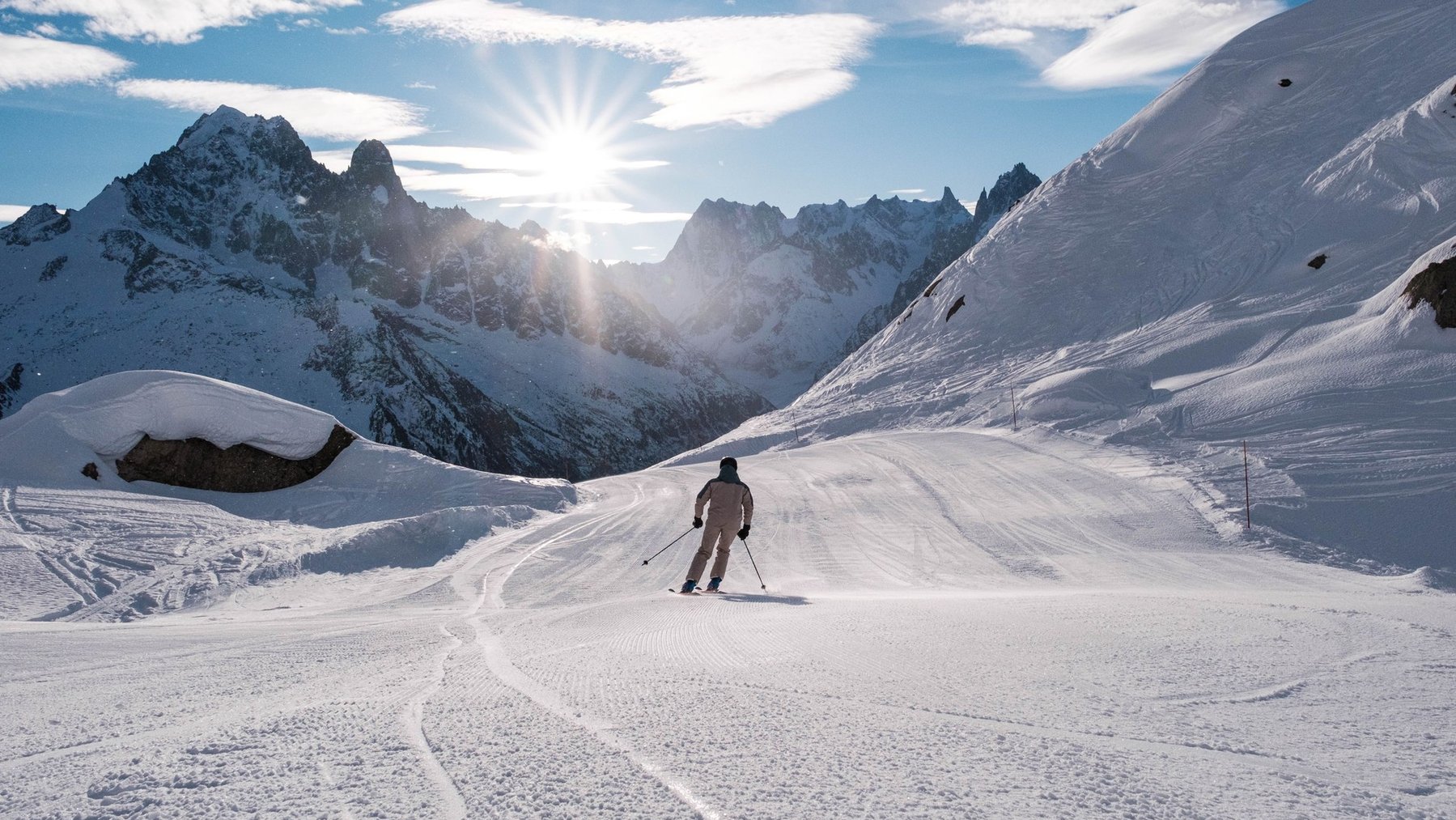
Confident intermediates can also ski the red runs at Grands Montets. Combes or Bochard can be linked with La Pierre à Ric for about 1,250m or 1,500m of vertical descent, although crowding and steep sections make this a poor place for cautious skiers.
Best for advanced skiers
Grands Montets should be the priority. More than half its marked routes are graded black, according to the Ski Club of Great Britain, and its broad off-piste slopes turn from powder into demanding moguls as they are tracked. Marked uphill routes also give ski tourers access on skins, removable strips that grip the snow during ascents.
Brévent–Flégère adds steep marked runs and extensive freeride terrain, including the C. Bozon and Floria routes. At Les Houches, the 3.5km Kandahar World Cup piste drops around 870m through the trees and can be fast or icy.
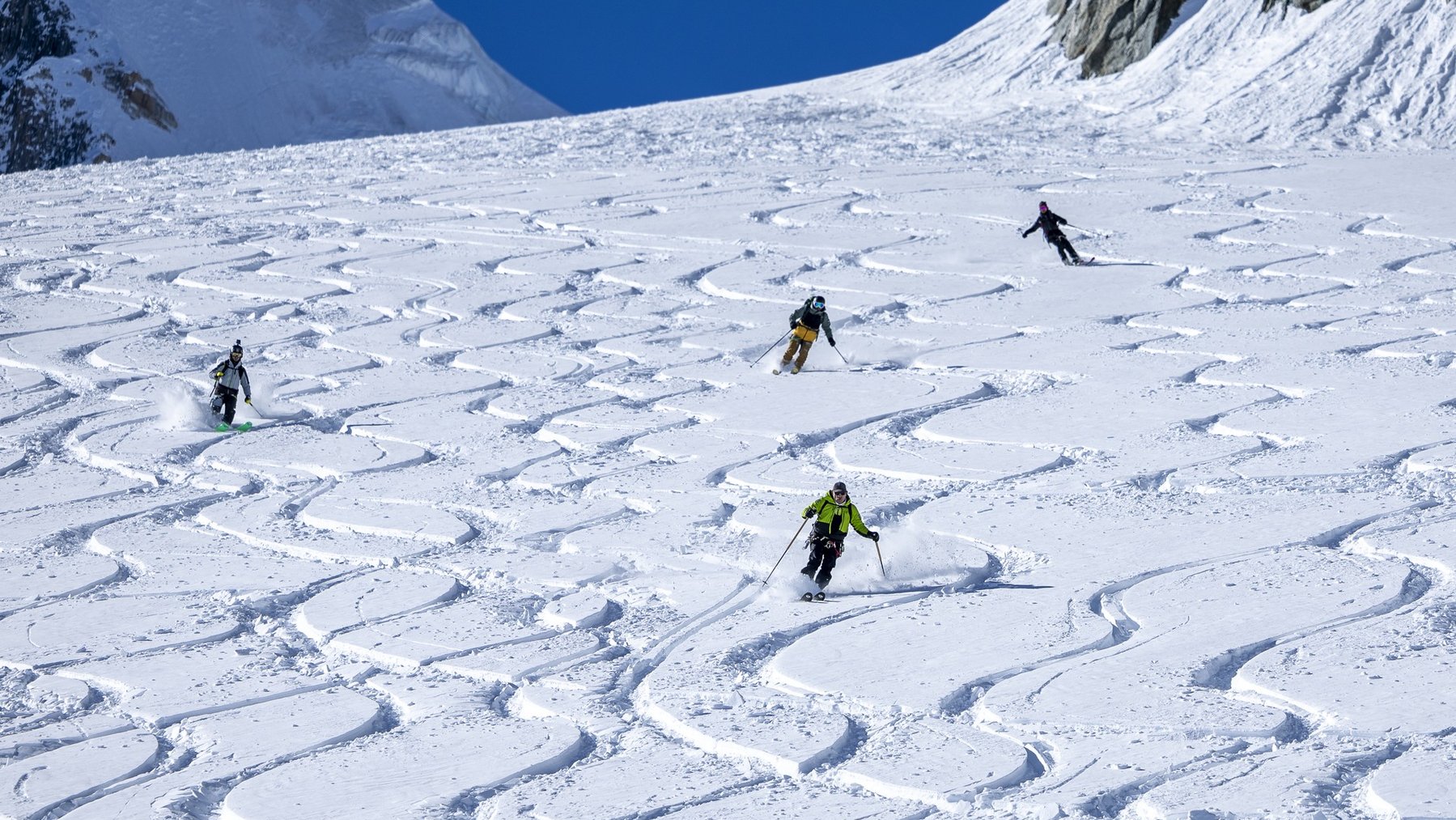
The Vallée Blanche is Chamonix’s best-known high-mountain descent. It is an unmarked glacial route. It starts from the 3,842m Aiguille du Midi and usually finishes via the Mer de Glace gondola and Montenvers railway. A mountain guide is required, with the route selected according to snow, weather and group ability.
Families and non-skiers
Les Houches is the easiest family base. It is quieter and generally cheaper than central Chamonix, with nursery terrain at Le Tourchet and progression skiing around Bellevue and Prarion. Le Tourchet sits beside the ice rink, while Prarion has a Skicamp play area and nearby tobogganing.
La Vormaine has a free sledging area and boardercross, a course of rollers and banked turns. Les Planards offers a children’s snow garden and an alpine coaster nearby.
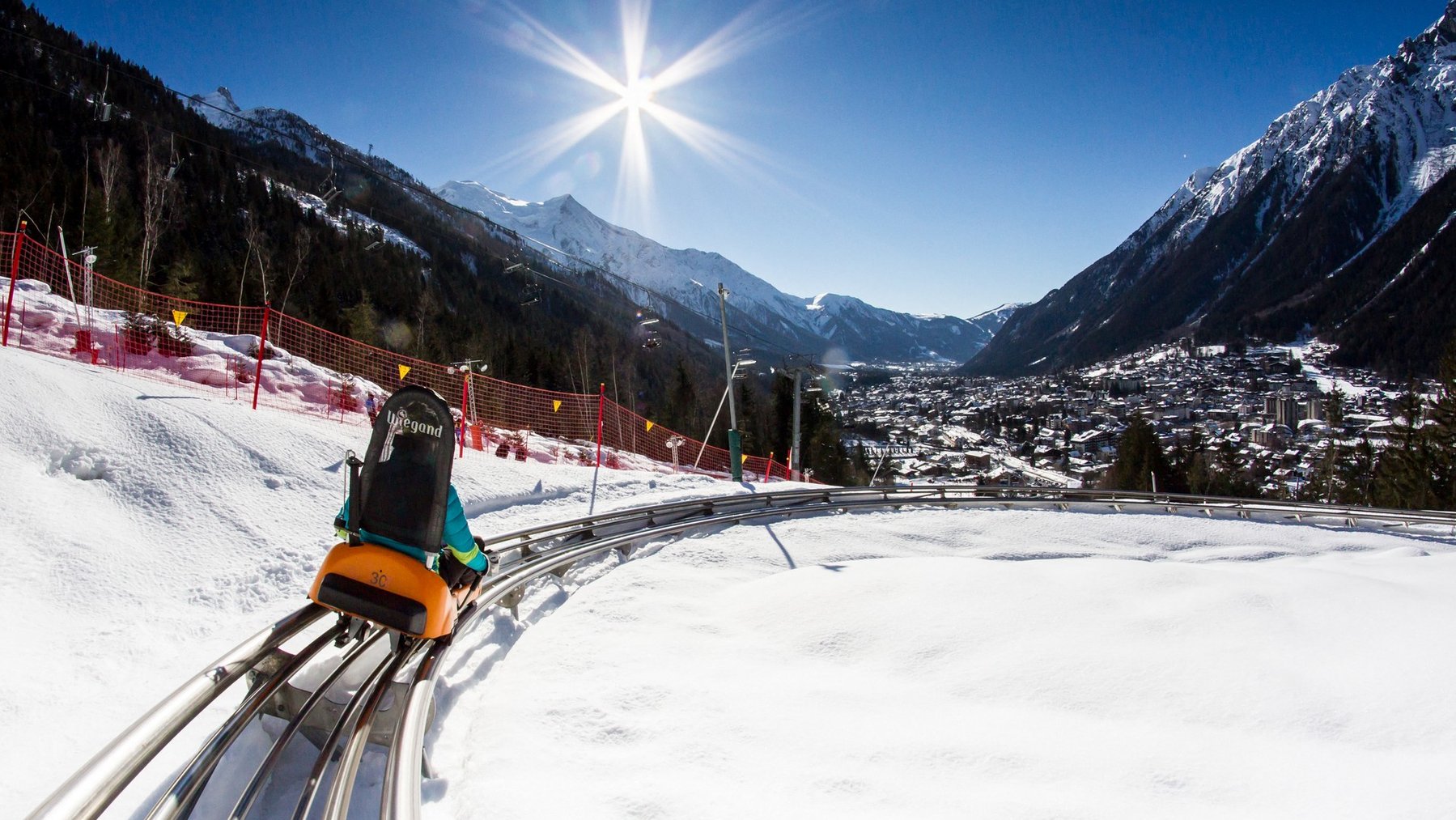
Non-skiers have most choice in Chamonix Centre. The pedestrianised streets contain cafés, shops and galleries, while the Aiguille du Midi cable car and Montenvers railway provide mountain access without skis. Pools and wellness facilities are available around the valley, though access varies by property and season.
Eating on the mountain
Mountain food ranges from practical sandwiches to expensive lunches built around the view. Le Spot is useful for a quick lunch, while La Chavanne at Flégère is livelier, with DJs and a terrace.
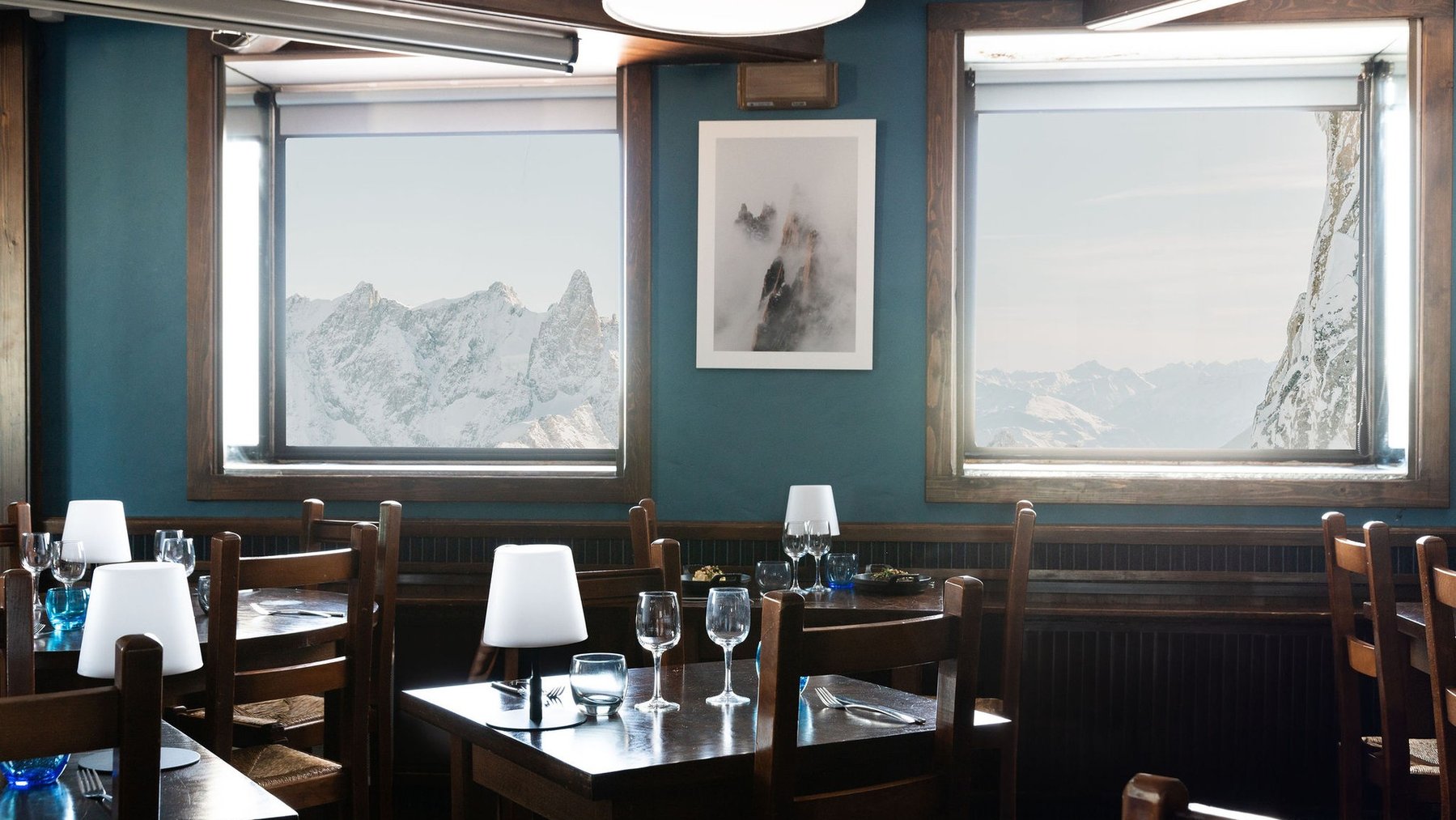
Refuge de Lognan sits at the edge of Grands Montets and attracts off-piste skiers and tourers for its glacier outlook. Reservations are sensible. Le 3842 at the Aiguille du Midi is the destination option at 3,842m, where the location matters as much as the meal. At the other end of the Vallée Blanche, Refuge du Montenvers overlooks the Mer de Glace.
Après-ski and nightlife
Central Chamonix has a broader nightlife scene than most French ski towns. Chambre Neuf, near the station, runs live music on most winter evenings. Elevation 1904 opposite is more relaxed and popular with locals and guides.
La Folie Douce brings DJs and live performances to the foot of Brévent. MBC serves locally brewed beer near the skating rink, while Quartz Bar is a calmer choice for cocktails and jazz. L’Amnesia, near Chamonix Sud, stays open late with house, electro and R&B.
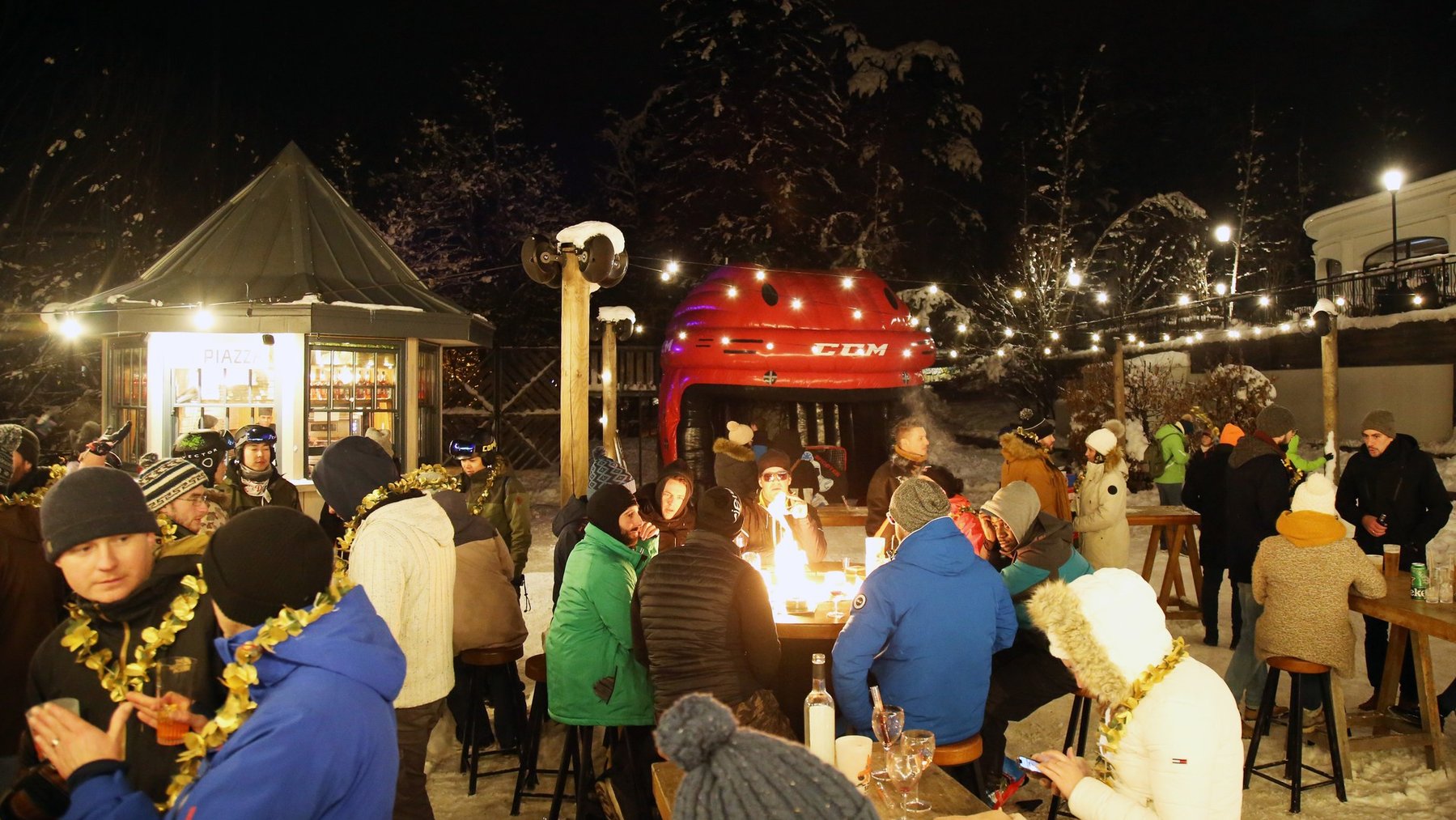
Argentière and Les Houches are much quieter after dinner. Anyone staying outside the centre should check the last bus or budget for a taxi.
The village
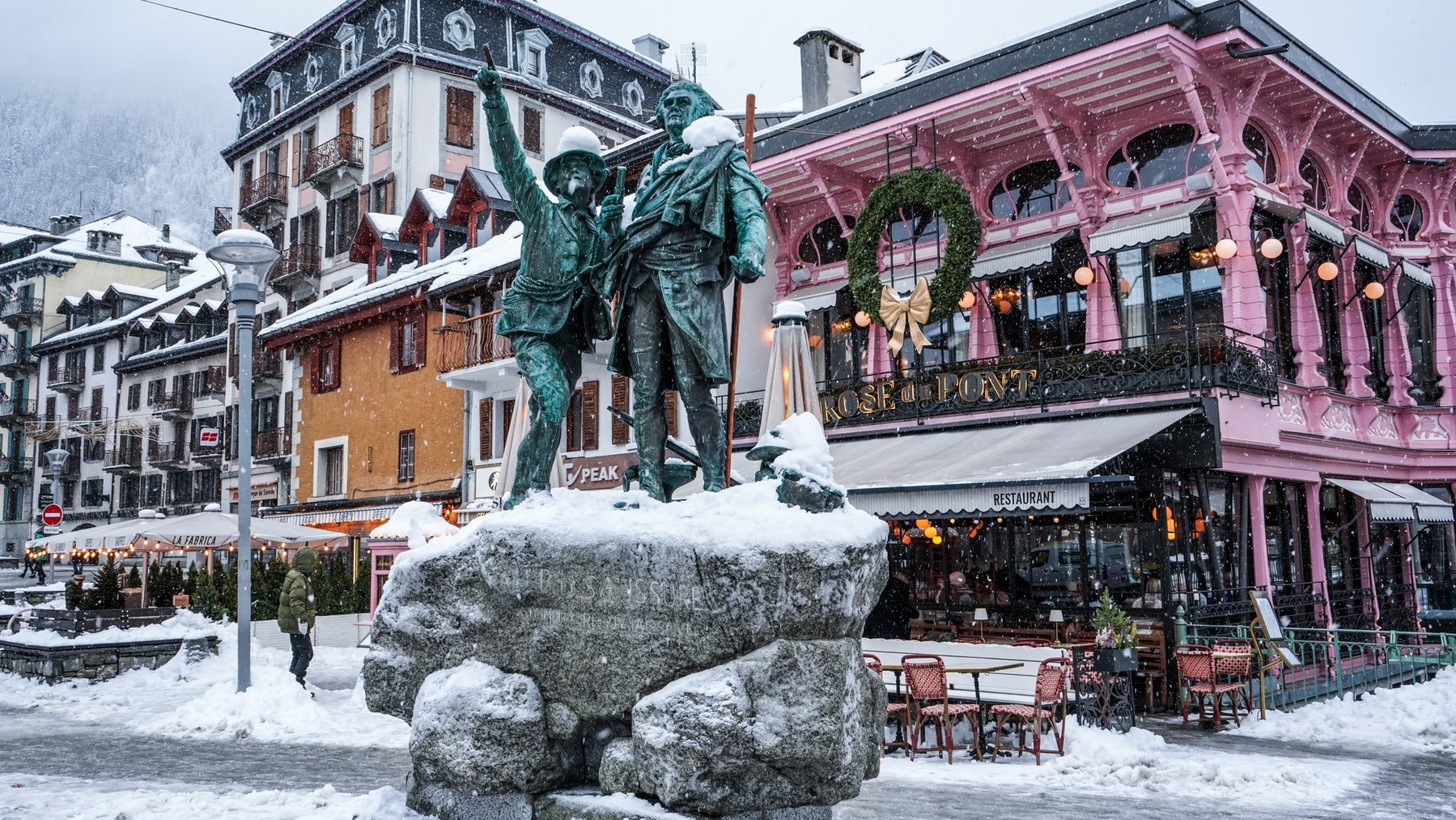
Chamonix Centre is a working mountain town with cobbled streets, old buildings and the Arve running through it. It is walkable and has the valley’s best concentration of restaurants, shops and evening venues. Brévent is accessible from the edge of town, but every other main sector requires transport.
Les Praz, about 3km north-east, is calmer and places skiers within a short walk of the Flégère gondola. Argentière sits higher at 1,252m and suits advanced groups focused on Grands Montets, although its restaurant and nightlife options are limited. Les Houches has its own village centre, supermarket and more family-oriented atmosphere.
Where to stay
Individual property quality varies, so location matters more than a nominal ski-in/ski-out label. In Chamonix, that description can mean proximity to a gondola or shuttle rather than skiing to the door.
- Best overall: Chamonix Centre. Choose it for a first visit, a mixed-ability group or easy access to restaurants and nightlife.
- Best luxury: Les Praz or Le Lavancher. Large chalets here offer quieter surroundings and Mont Blanc views, with Flégère close by from Les Praz.
- Best value: Les Houches. Accommodation is commonly cheaper per person, especially for larger groups, though the other Chamonix sectors are a bus or drive away.
- Best for families: Les Houches. Gentle tree skiing and village facilities make the logistics simpler than staying centrally.
- Best self-catered: Chamonix Centre. An apartment near a bus stop gives access to different domains and removes the need to drive for shopping or dinner.
Indicative chalet prices run from about £4,500 a week for smaller self-catered properties to more than £30,000 for large catered chalets. Peak weeks around Christmas, New Year and February half-term cost more and book early.
Getting there
Geneva is the practical airport, around 88km from Chamonix Centre. A shared or private transfer usually takes 1 hour 15 minutes to 1 hour 30 minutes, while scheduled coaches commonly need 1 hour 35 minutes or longer and tend to finish at Chamonix Sud.
The train from Geneva Airport is indirect, generally requiring two or more changes and taking three to four hours. Driving is straightforward via the A40, but tolls apply and peak winter Saturdays can add substantial delays.
A car is unnecessary in Chamonix Centre or Les Praz if you are happy to use buses. It becomes more useful in Les Houches or Argentière, and for trips through the Mont Blanc Tunnel to Courmayeur.
What does Chamonix cost?
Chamonix is expensive, but its hostels, apartments and everyday restaurants provide more range than many high-end Alpine resorts. The widest Mont Blanc Unlimited pass covers Les Houches, the Aiguille du Midi and selected neighbouring areas, including Courmayeur, Megève and St Gervais.
Prices available at the time of writing are references rather than confirmed 2026/27 rates. Published 2025/26 Mont Blanc Unlimited prices started from €70, while earlier six-day prices reached €487. The cheaper Chamonix Le Pass excludes Les Houches and the Aiguille du Midi. Small beginner sectors have separate products, with Le Tourchet previously listing a €20 full-day pass.
As a working budget, allow roughly €25 for a casual meal and €30 to €50 for a mid-range restaurant. Accommodation can run from €100 to €150 a night at the budget end, €200 to €300 for a mid-range hotel and above €500 for luxury rooms. January usually offers better value than school-holiday weeks, with dependable high-altitude snow and fewer visitors.
Author · Places desk
Ryan Chambers
Ryan Chambers is the editor of The Ski Standard, covering equipment, resorts and the people who shape modern skiing.

