
The Ski Standard guide to Courchevel
A comprehensive guide to navigating Courchevel’s six villages, world-class slopes, and the expansive 600km Three Valleys ski network.
Courchevel’s six bases extend beyond its expensive 1850 postcode. They run from historic Saint-Bon at about 1,100m to the main lift hub at 1,850m, with accommodation from modest apartments to Palace hotels.
The local ski area covers about 150km of pistes and forms one end of Les 3 Vallées, whose 600km network includes Méribel, Val Thorens, Les Menuires and several smaller bases. Courchevel is best for beginners and intermediates, but its couloirs, steep blacks and extensive off-piste give experts enough to justify staying here too.
The skiing
Courchevel’s main strengths are wide pistes, efficient lifts and consistent grooming. Official figures list 105 local runs, divided between 23 green, 38 blue, 33 red and 11 black pistes. Most of the skiing faces north, which helps preserve snow above 1850, while snowmaking protects the principal routes back to each village.
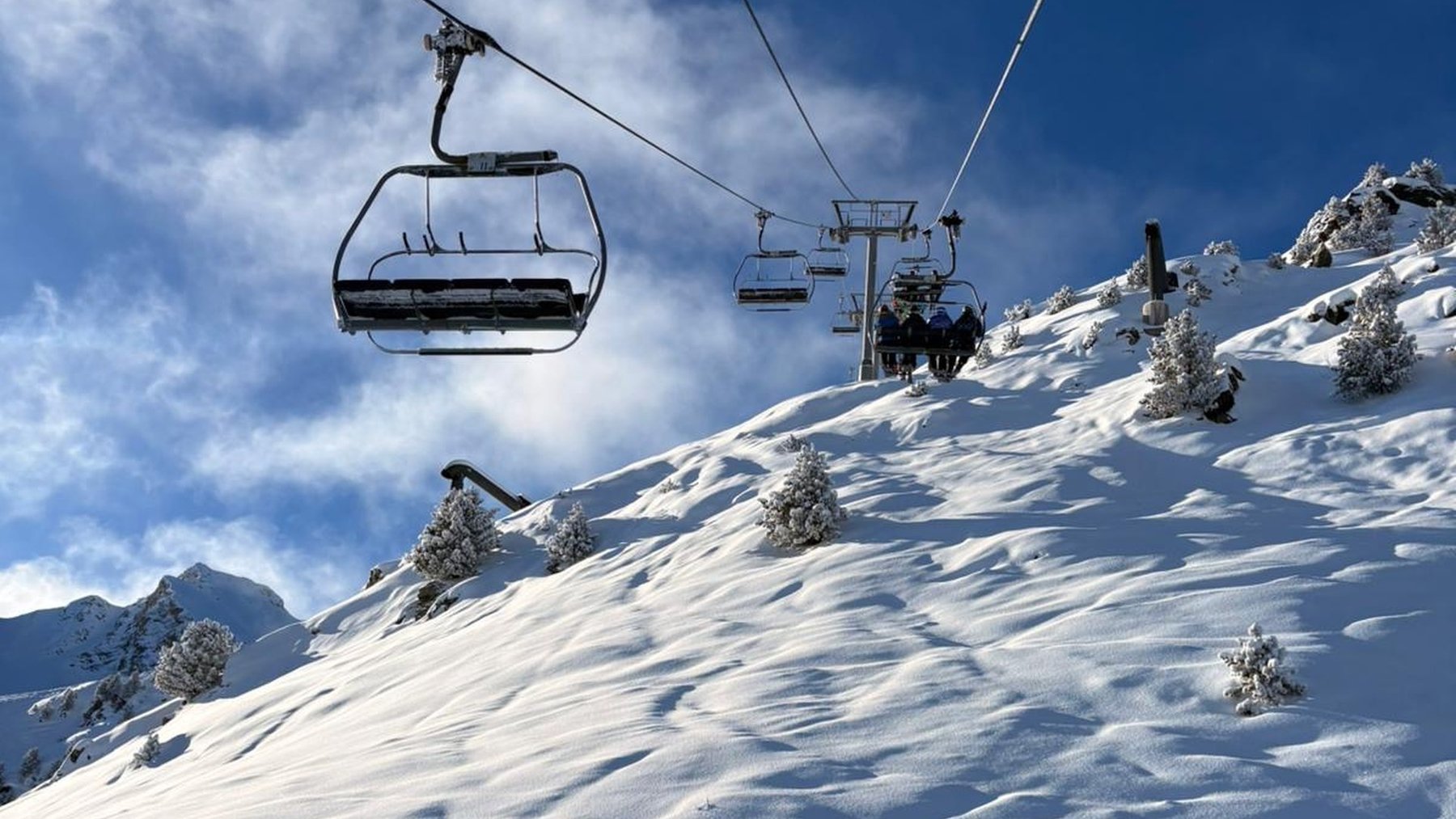
A normal morning starts with quick laps on firm corduroy above Biollay, Pralong or Moriond. By late morning, skiers with a full-area pass can cross Saulire into Méribel, about 20 minutes from 1850 when lifts and links are running normally. Longer days can continue towards Les Menuires or Val Thorens.
Queues are usually manageable, although Saulire can back up as skiers head towards Méribel. Guests in Courchevel Village may also face one queue for the lift to 1850 and another for the next ascent. Starting before 9am or moving after lunch avoids the worst congestion.
Snow is most dependable from mid-December onwards. Lower pistes into Le Praz and La Tania are more vulnerable during warm spells, but their wooded setting makes them useful when cloud or snowfall reduces visibility higher up. The Les 3 Vallées app gives live information on lifts, grooming, weather and avalanche risk.
Best for beginners
Courchevel is one of the better large Alpine resorts for learning. Each principal ski village has a protected ZEN learning zone and at least one free beginner lift, so first-timers do not immediately need a full lift pass.
Courchevel 1850 has the strongest set-up, with five free lifts, broad nursery slopes at Pralong and Golf, plus easy routes back towards the centre. Golf has two magic carpets, while Pralong offers a short surface lift before learners progress to the longer Altiport drag.
Moriond is the best alternative. Its fenced Mickey area sits below gentle green and blue terrain, making progression straightforward without passing through the busier centre of 1850. Courchevel Village and La Tania also work well, but Le Praz lacks an easy green or blue piste returning to the village.
Most first-timers can use the MiniPass for the designated learning areas. A local Courchevel pass becomes useful once they are comfortable on blues, while the full Three Valleys pass is unnecessary during the first few days.
Best for intermediates
Courchevel suits intermediates well. Moriond’s quiet blue pistes are good for building confidence, followed by the broad runs around Biollay and Pralong. Creux, descending from Saulire, is a useful next step for skiers ready to cover more distance.
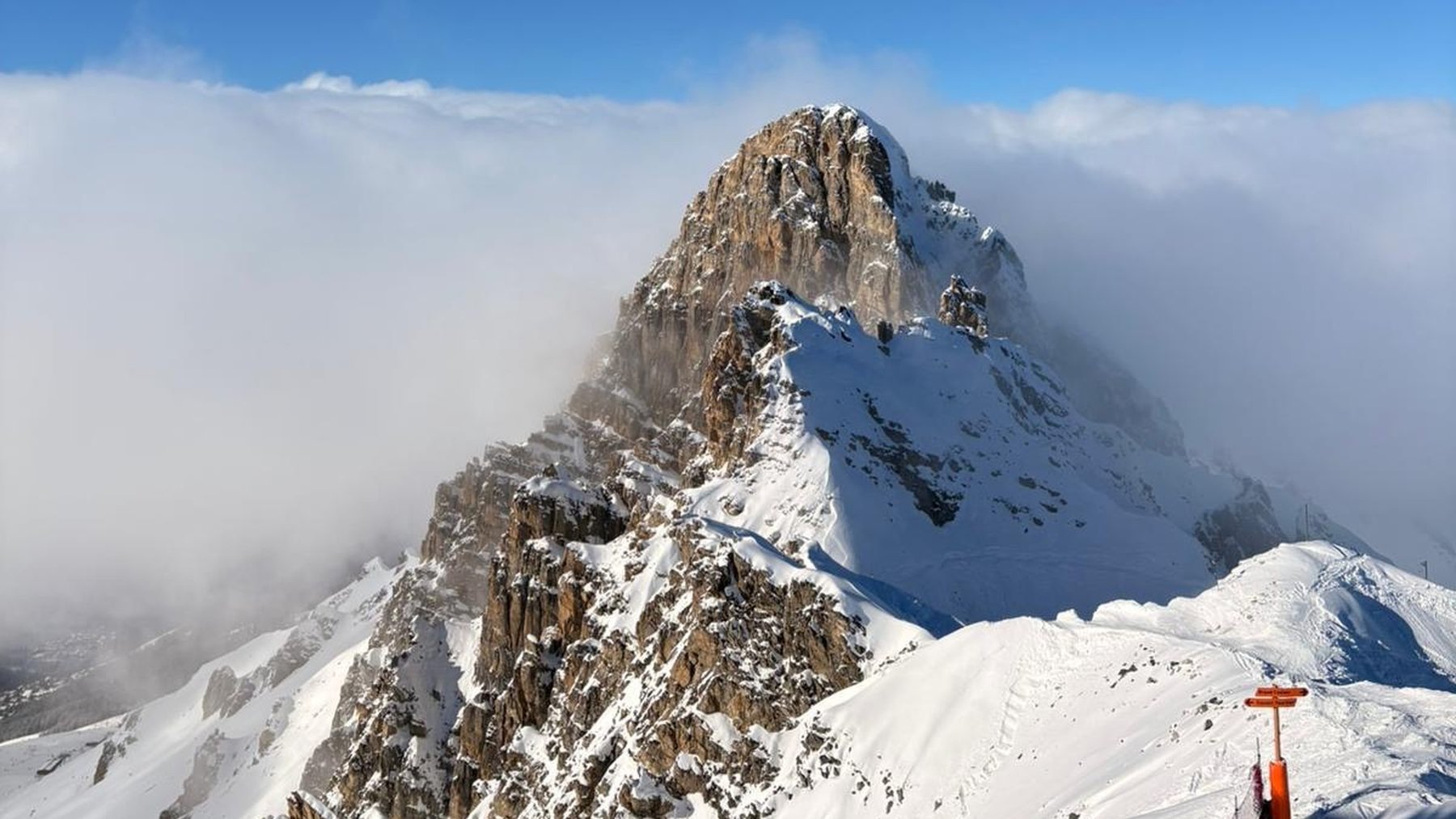
The character changes around the valley. Moriond has gentle open slopes, 1850 provides polished cruising, and La Tania and Le Praz offer wooded runs. From Saulire and Vizelle, longer red and blue descents add enough gradient to keep confident skiers interested.
A local pass can fill a short break or a week for cautious intermediates. Stronger skiers should buy the Three Valleys pass because most valley crossings have blue alternatives and fast lifts. It opens enough route choice to ski towards Val Thorens one day and Saint-Martin-de-Belleville the next without following the same line home.
Best for advanced skiers
Courchevel offers expert terrain alongside its groomed cruising. Pylones, M and Suisses are high, north-facing black pistes near Vizelle, while Eclipse drops 940 vertical metres over 3.2km towards Le Praz. Some black and Ski & Challenge runs are groomed intermittently, so conditions can range from smooth hardpack to large moguls.
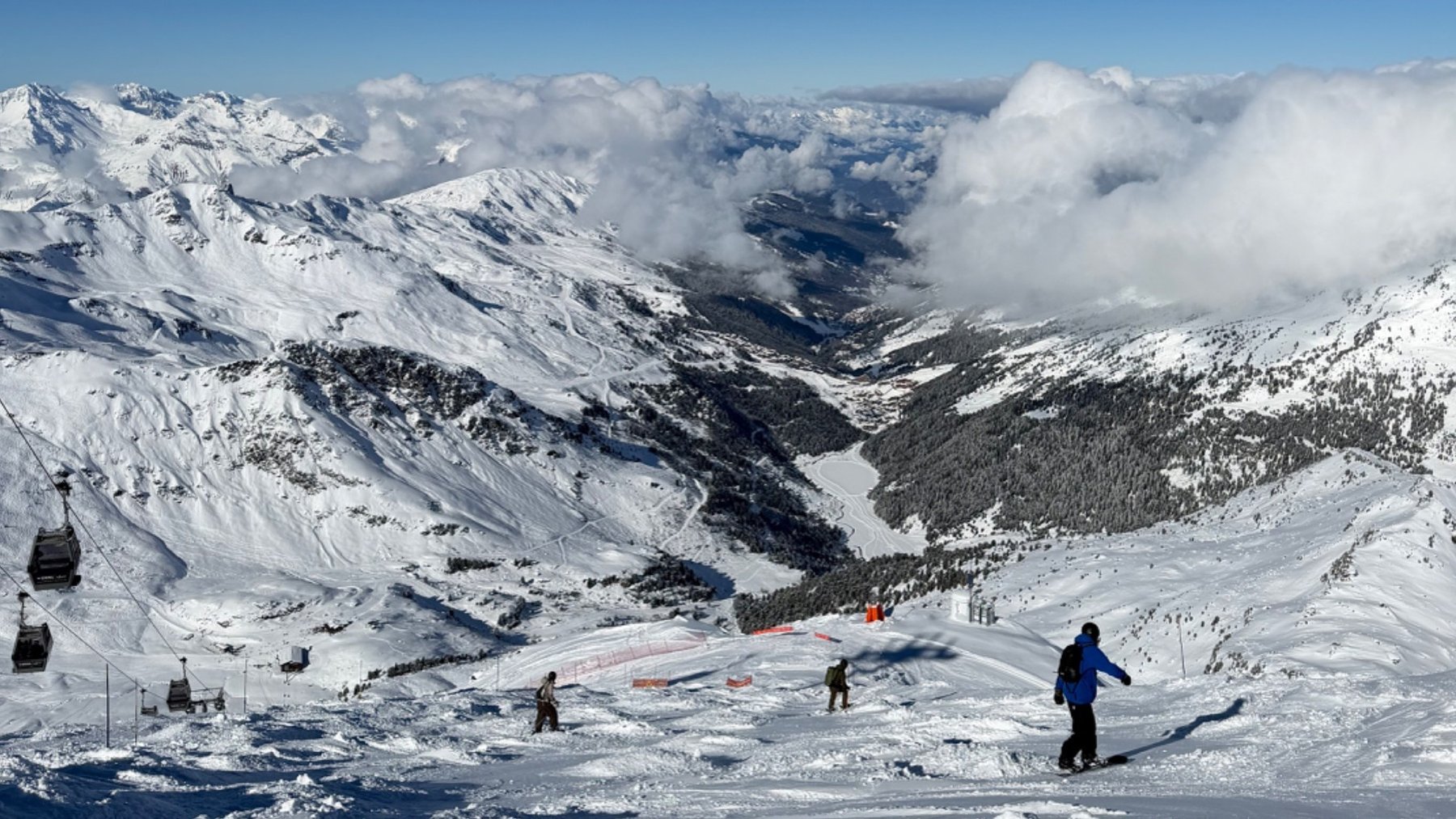
The best-known test is Grand Couloir. The official black begins near 2,700m and reaches a maximum gradient of about 85 per cent, following an awkward approach along a narrow, frequently icy ridge. Its upper turns are confined before the gully opens onto the slope above the Saulire piste.
Creux Noirs Freeride Lab offers avalanche-secured but ungroomed terrain after a short hike, along with a DVA training area for avalanche transceivers. Beyond it, Bel Aire is an accessible introduction to off-piste, while the Vallée des Avals and Col du Fruit take skiers into more remote terrain.
A guide remains the sensible choice away from secured pistes. The official Les 3 Vallées off-piste guide lists routes across the wider area, but current avalanche information and proper rescue equipment are essential.
Families and non-skiers
Courchevel holds France’s Famille Plus label and has childcare, ski schools and beginner facilities across its main bases. The official programme includes a children’s garden from age three, while the Village des Enfants is listed as accepting younger children from 18 months.
Aquamotion, between Moriond and Courchevel Village, is the main bad-weather option. The complex has swimming pools, waterslides, hot tubs, a surf simulator and a wellness area. Other activities include sledging, ice skating, bowling and pony rides.
Courchevel Village, Moriond and La Tania are the easiest family bases. They offer quieter evenings and cheaper accommodation than 1850, while free buses make it possible to move around without a car. Families should still check evening timetables before booking meals in another village.
Eating on the mountain
Mountain eating ranges from packed lunches to expensive destination restaurants. La Soucoupe is the established high-end stop, known for open-fire cooking and a long wine list. Booking is advisable, especially during school holidays.
For an everyday lunch, look for a plat du jour rather than ordering from the full menu. These set dishes commonly combine meat with potatoes or vegetables and usually represent better value. The Forum in 1850 has straightforward omelettes, burgers and pizzas near the bowling alley.
Courchevel 1850 also has a concentration of Michelin-starred restaurants, including the three-star Le 1947 by Yannick Alléno. Lower villages provide less formal choices, although eating out remains expensive compared with Les Menuires or other value-focused French resorts.
Après-ski and nightlife
Courchevel’s nightlife depends heavily on the village. In 1850, après means hotel terraces, cocktails and late dinners, often at very high prices. The atmosphere is polished and restrained.
Moriond is the best base for a livelier and more approachable night. Independent bars offer live music and DJs, with some venues continuing into the early hours. Le Praz and La Tania have smaller bar scenes with a local, relaxed feel.
Free buses continue into the evening but run less frequently after the lifts close, and some gondola hours change through the season. Missing the last connection can mean an expensive taxi between villages.
The villages
Courchevel is a collection of bases rather than one walkable resort. Accommodation can be beside a piste yet a long uphill walk from the nearest supermarket or restaurant, so checking the exact location matters.
Courchevel 1850 has the quickest access to the central lift system, the most ski-in/ski-out accommodation and the largest choice of restaurants. It is built-up and international, with luxury hotels and boutiques rather than a coherent historic centre.
Moriond feels more relaxed and has a useful independent centre. Courchevel Village is quieter and residential, with gondola access to 1850. Le Praz retains the strongest Savoyard village character, while La Tania is compact, wooded and purpose-built. Saint-Bon is the historic valley settlement, but it requires road transport to reach the main skiing.
Where to stay
The best accommodation choice is usually a village rather than a specific hotel brand:
- Best overall: Moriond. It balances gentle skiing, bars, restaurants and access to Aquamotion without 1850 prices.
- Best luxury: Courchevel 1850. Choose it for Palace hotels, high-end chalets and direct access to the central lifts.
- Best value: La Tania or Le Praz. Both are cheaper by Courchevel standards, with good lift links and wooded pistes.
- Best for families: Courchevel Village. It is quieter than 1850 and has convenient access to beginner terrain, sledging and Aquamotion.
- Best self-catered: La Tania. Its compact layout and apartment stock make cooking and lift access easier without depending on buses.
Getting there
Geneva is the most practical airport for many UK travellers, with the widest flight choice and regular shared transfers. The drive is roughly 150 to 180km and can take around two hours in light traffic. Saturday congestion on the N90 between Albertville and Moûtiers can add substantially to that.
Chambéry is the closest commercial airport at about 100km, although its winter flight schedule is limited. Lyon and Grenoble are both around 175km away and provide useful alternatives.
Moûtiers–Salins–Brides-les-Bains is the nearest railway station, about 25km from Courchevel. TGV services from Paris take roughly four and a half hours, while seasonal Snow Train services connect London with Moûtiers. The final ascent takes around 35 to 45 minutes by bus, taxi or transfer.
Drivers need winter equipment that meets French mountain regulations. Once parked, a car is unnecessary because free buses and gondolas connect the main bases during operating hours.
What does Courchevel cost?
Courchevel is expensive, with the biggest premiums in 1850. As a benchmark, the official peak-season 2025–26 Courchevel Valley pass cost €74.80 for one adult day or €374 for six days. Prices for 2026–27 should be checked through the official Courchevel pass service once published.
The full Three Valleys pass costs more, but it opens 600km rather than the local 150km. Confident intermediates and advanced skiers staying for a week will usually get enough extra use to justify it. Beginners and short-stay visitors can spend less with a MiniPass or local-area pass.
Accommodation, restaurant meals and drinks vary more than lift prices. Staying in La Tania, Le Praz or Courchevel Village and booking a self-catered apartment can move the trip towards the middle of the Alpine price range. A hotel week in 1850 with mountain lunches and cocktails remains firmly at the premium end.
Author · Places desk
Ryan Chambers
Ryan Chambers is the editor of The Ski Standard, covering equipment, resorts and the people who shape modern skiing.

