
72 Hours in Crans-Montana
Three days in Crans-Montana, skiing from the Plaine Morte glacier to long World Cup pistes, with practical picks for where to stay, eat and après.
Crans-Montana might not have the instant name recognition of some Alpine resorts, but once you’re skiing there that feels beside the point.
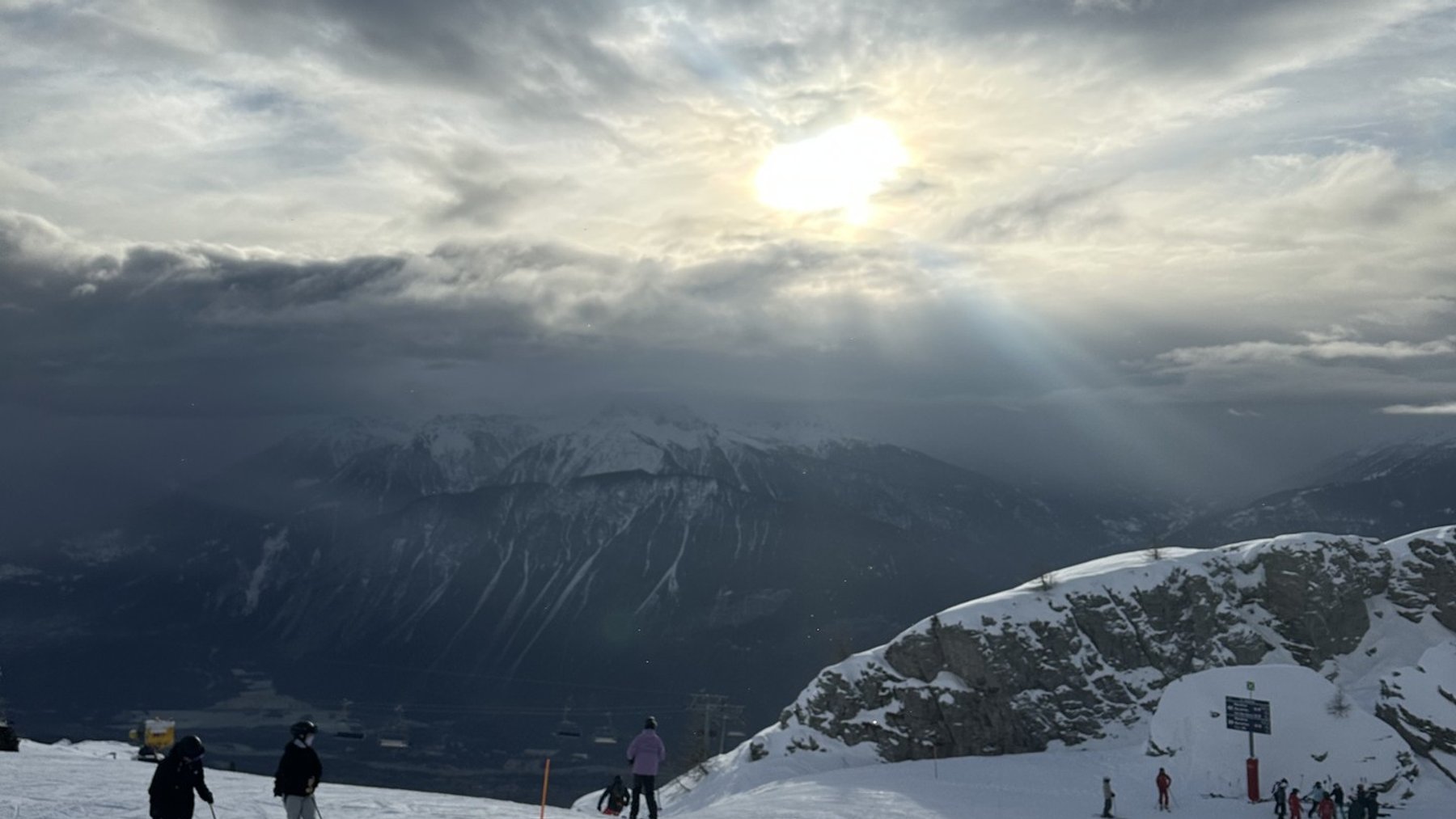
The resort sits on a broad, south-facing plateau above the Rhône Valley, and that position shapes the experience from the start. The landscape feels more open than many Alpine resorts, with wide views and long sightlines rather than tightly packed tree-lined slopes. On clear days you ski with a vast wall of peaks stretching across the horizon - the Matterhorn, Mont Blanc and countless others rising sharply beyond the valley.
The ski area itself covers around 140 kilometres of pistes, running from roughly 1,500 to just under 3,000 metres on the Plaine Morte glacier. It’s large enough to explore properly over several days, yet compact enough that you rarely spend the whole day navigating across the map.
The terrain also feels unusually open in how it flows. Runs connect naturally and you’re rarely funnelled through narrow choke points, which means it’s easy to cover distance without feeling like you’re repeating the same slopes. On one day we clocked around 40 kilometres of skiing almost without noticing, simply linking runs together and following whatever looked appealing ahead.
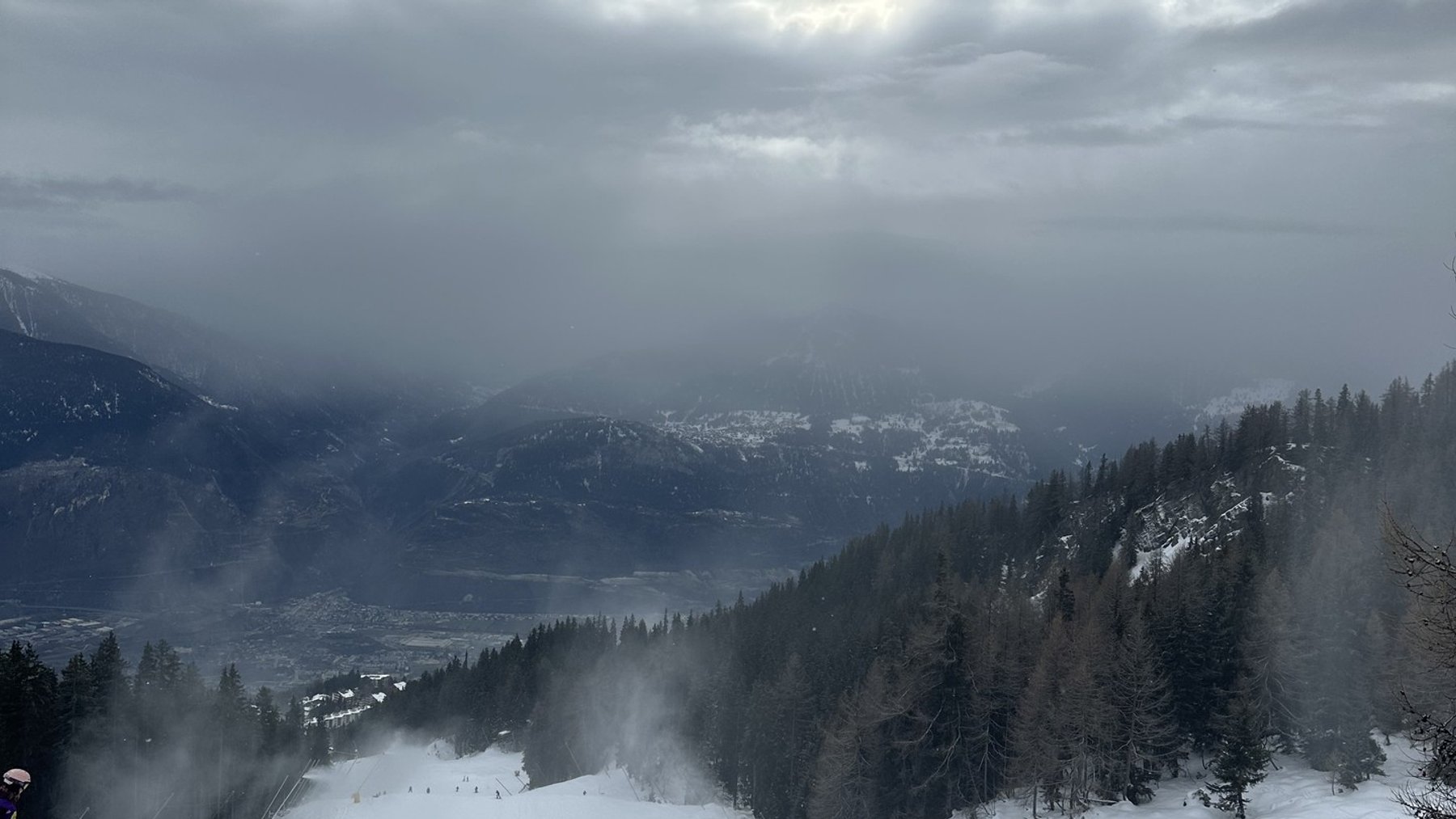
Across three days the conditions offered a good range of winter weather. We started with bright sunshine, watched snowfall move across the mountain during the afternoon, and finished with softer snow that made the pistes feel forgiving even when visibility dropped.
There’s also a noticeable shift happening in the resort itself. Since Vail Resorts took over the lift company, investment has been flowing into infrastructure, snowmaking and lift upgrades. The takeover has prompted mixed reactions locally, but the improvements to the ski experience are clear. Crans-Montana still skis like a traditional Swiss resort, though the edges are gradually being sharpened.
Where to Stay:
Hotel Olympic sits in the centre of Montana, only a couple of minutes from the Arnouva gondola, which acts as the main gateway into the ski area. From there it’s easy to reach almost everything else - the high street, the casino and the ice rink are all within a short walk.
Inside, the hotel offers exactly what you want from a well-run three-star base. The rooms are modern in a clean alpine style, with enough space to unpack properly rather than living out of a suitcase. Heated ski lockers downstairs make mornings simpler, particularly when you’re heading out early.
Breakfast is a straightforward self-service spread that works well. Coffee, bread and a quick start mean the first lift feels like an easy commitment, even if the previous evening involved one too many cocktails at the hotel’s Amadeus Bar.
Later in the day, the hotel’s restaurant Le Mayen leans into local cooking, serving Swiss specialities such as raclette and fondue that feel entirely appropriate after several hours in the cold.
Where to Eat:
Lunch in Crans-Montana offers two very different approaches, and the contrast between them is part of the appeal.
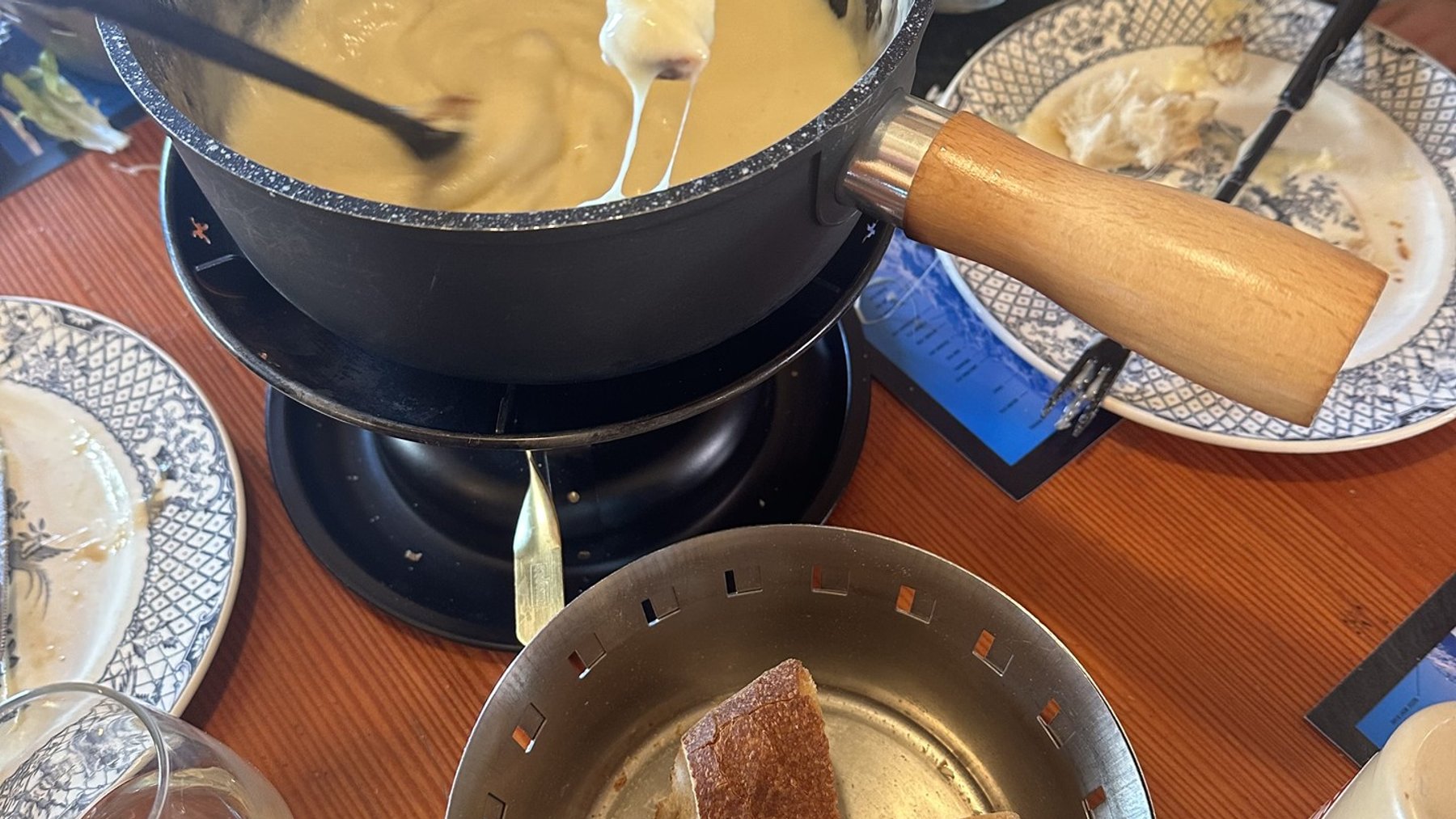
Cabane des Violettes fully embraces the classic alpine experience. The wooden cabin, good wine and generous fondue create the kind of setting where you naturally slow down and accept that skiing may not resume immediately afterwards.
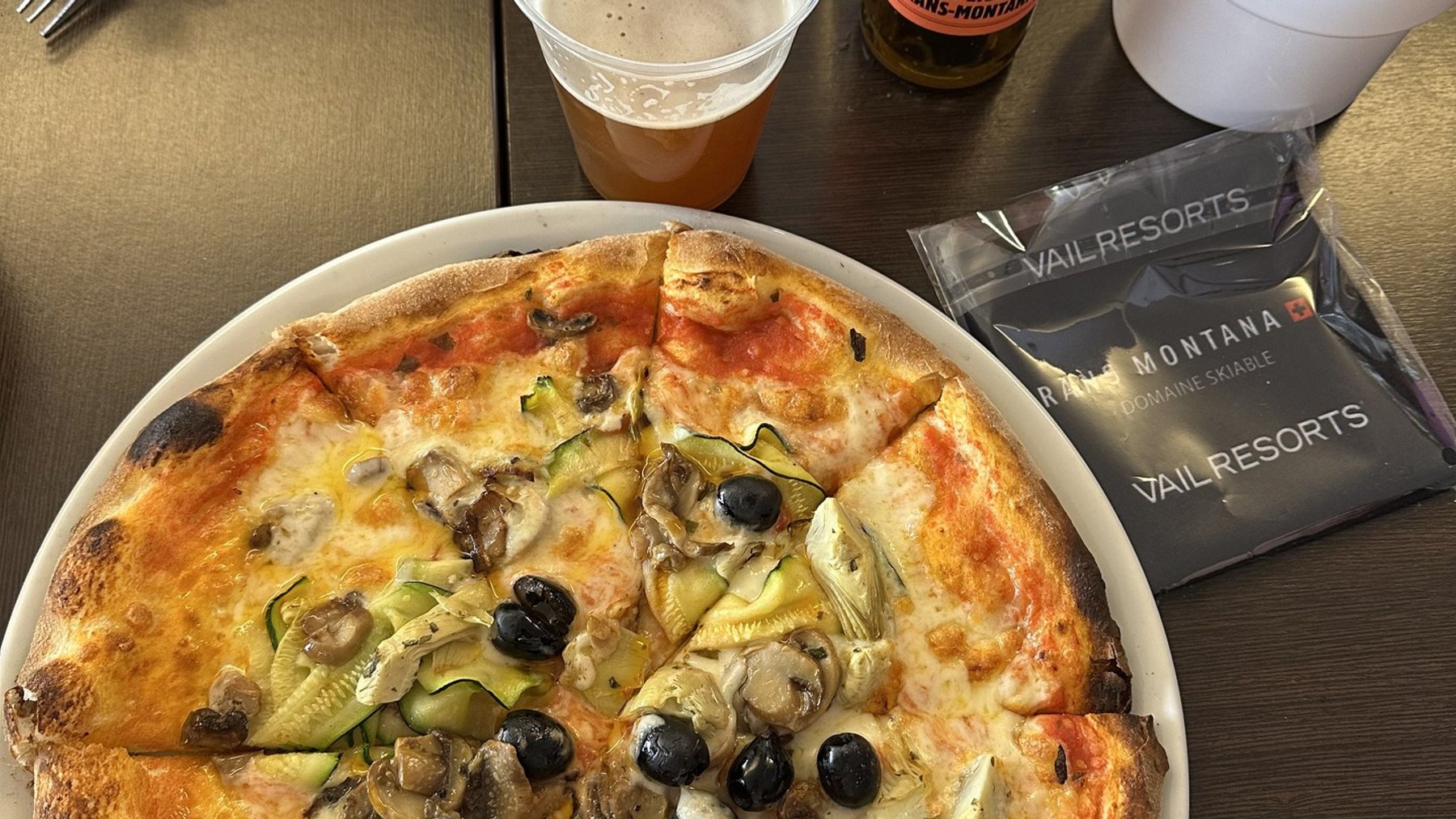
Just a short distance away, Restaurant Les Violettes offers the opposite approach. Service is quicker and the menu slightly lighter, which makes it ideal when you want to keep the day moving. Despite the faster pace, the food doesn’t feel compromised - the pizzas alone make it worth the stop.
Across the trip we ended up trying both, which proved to be the right balance.
Dinner in Crans-Montana tends to stretch into longer evenings.
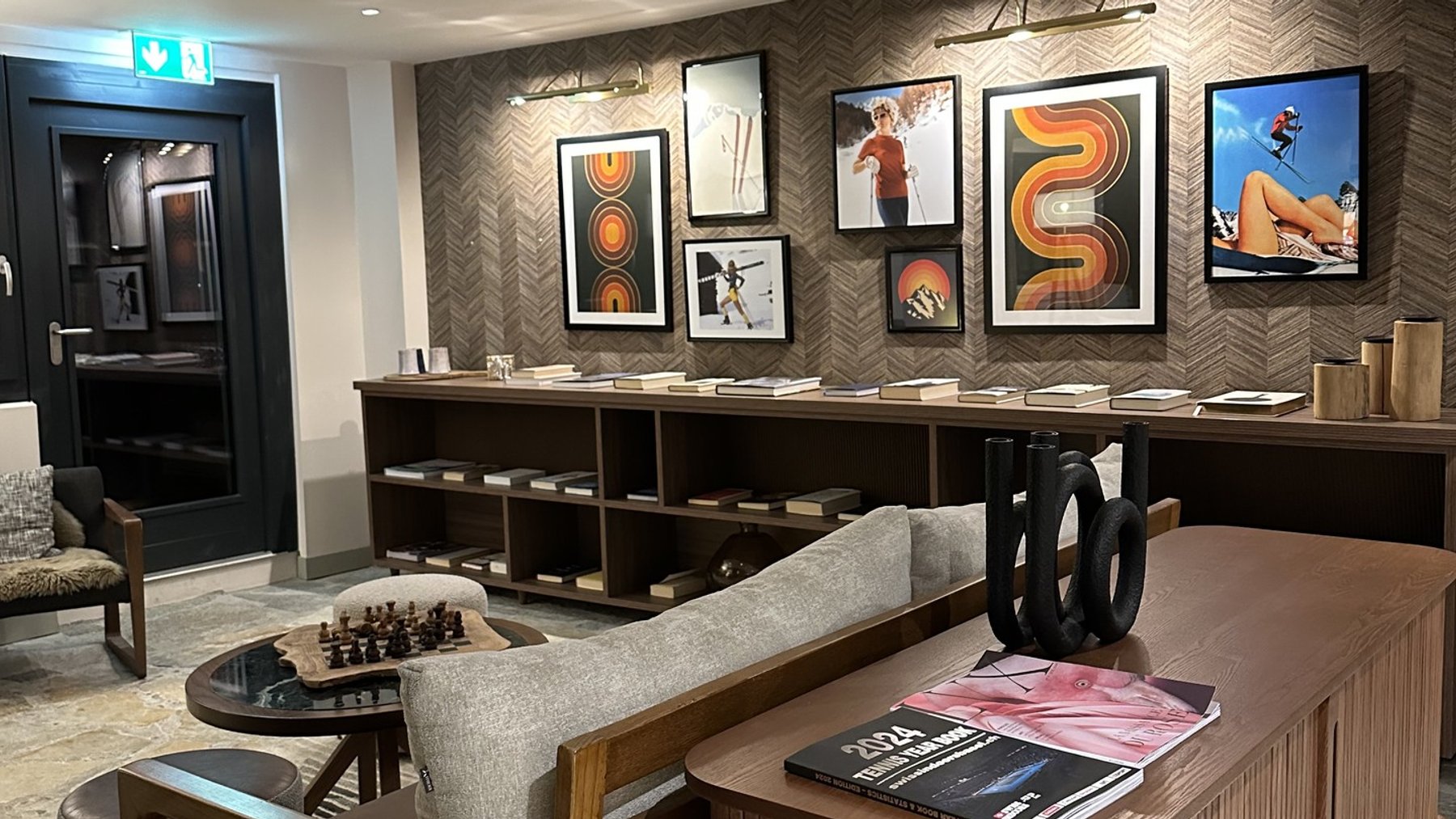
Sewi Bar, inside the Valaisia hotel, makes a good starting point. With its slightly retro 1970s styling and well-made cocktails, it’s an easy place to unwind before deciding where the evening might lead.
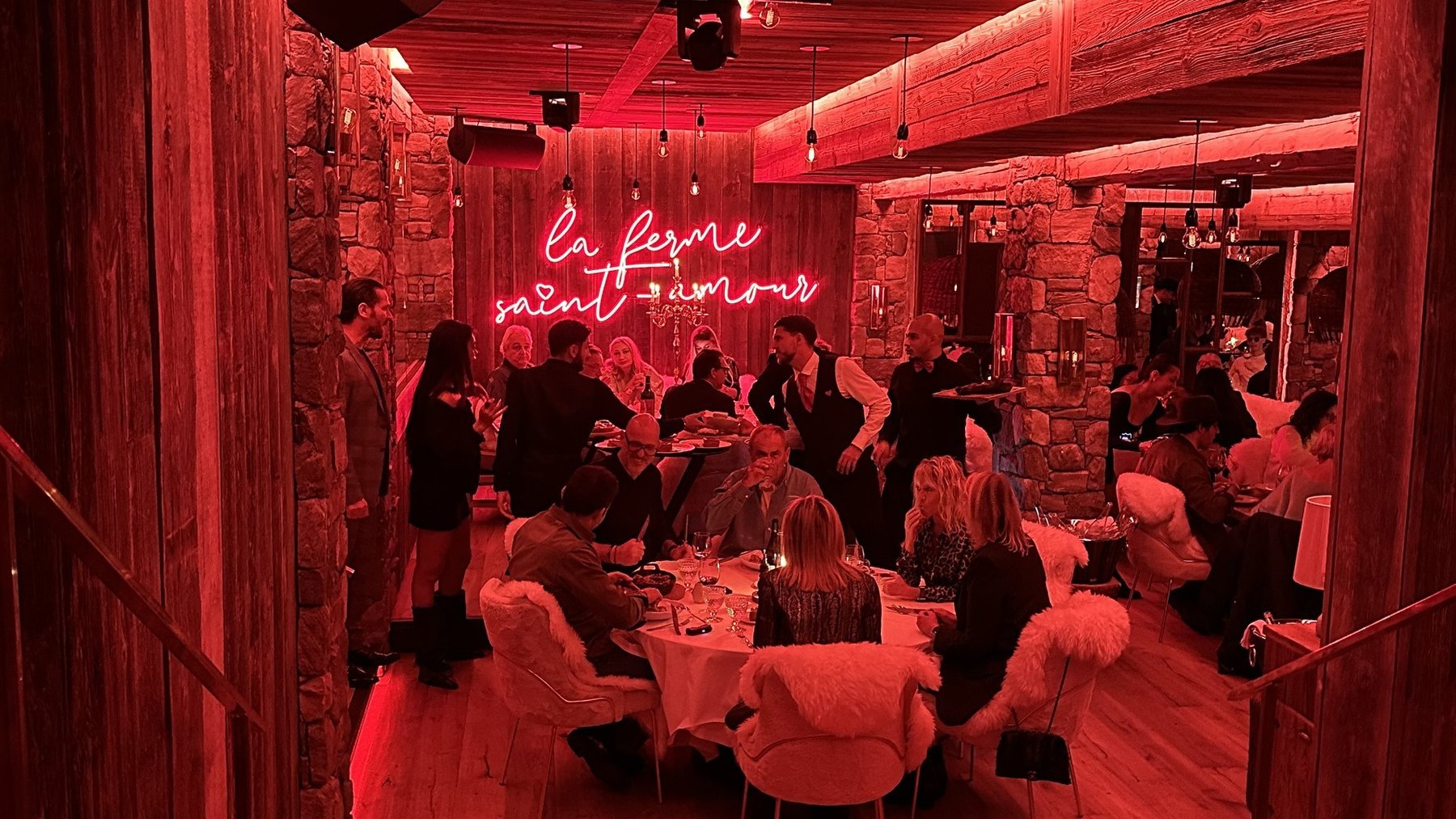
La Ferme Saint-Amour is where things move up a gear. Originally established in the French Alps, the restaurant brings the same lively atmosphere with it. The menu revolves around French and Swiss classics, but the food is only part of the experience. Music builds as the evening continues, staff dance between tables, and the whole room gradually shifts from dinner into something closer to a party. Once you’re there, the night tends to take care of itself.
Where to Après
Après-ski in Crans-Montana develops gradually rather than exploding all at once.
Zerodix is usually the starting point. Positioned directly on the slopes above Crans, it allows skiers to glide straight in, step out of their bindings and find a drink within minutes. The large terrace fills steadily throughout the afternoon, helped along by DJs and the steady stream of skiers arriving from the surrounding runs.
It often begins as a quick stop before heading down the mountain, but by mid-afternoon the place is full, the music has picked up and it’s easy to realise you’ve been there much longer than planned. Because the bar sits slightly apart from the centre of town, the atmosphere feels contained - people tend to stay rather than moving between venues.
Back in Montana, the evening can continue in several directions.
Sewi Bar remains a good option if you want something controlled and relaxed, while the bars along the main strip gradually fill later in the evening. The atmosphere rarely tips into full chaos, though, and the pace stays relatively manageable.
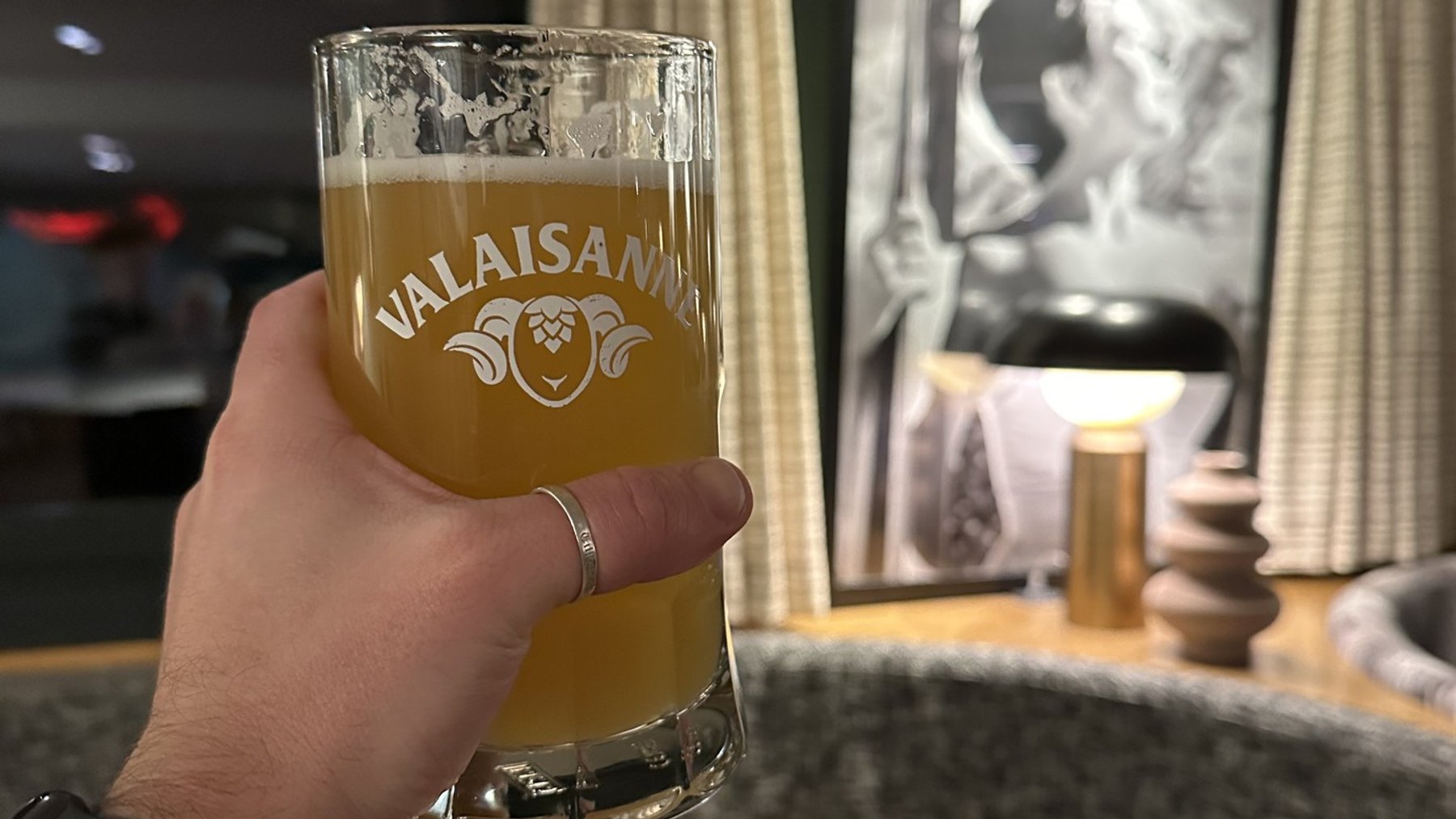
If you’re staying at Hotel Olympic, though, there’s always the option of finishing the evening with a final drink in the Amadeus Bar.
Where to Ski
Crans-Montana’s skiing stands out for the variety you can experience across a relatively short visit.
The resort is known for wide, confidence-building terrain, particularly for intermediate skiers, and that character becomes clear quickly. Long reds and blues roll naturally into one another, with enough pitch to stay interesting without constantly forcing you onto the brakes.
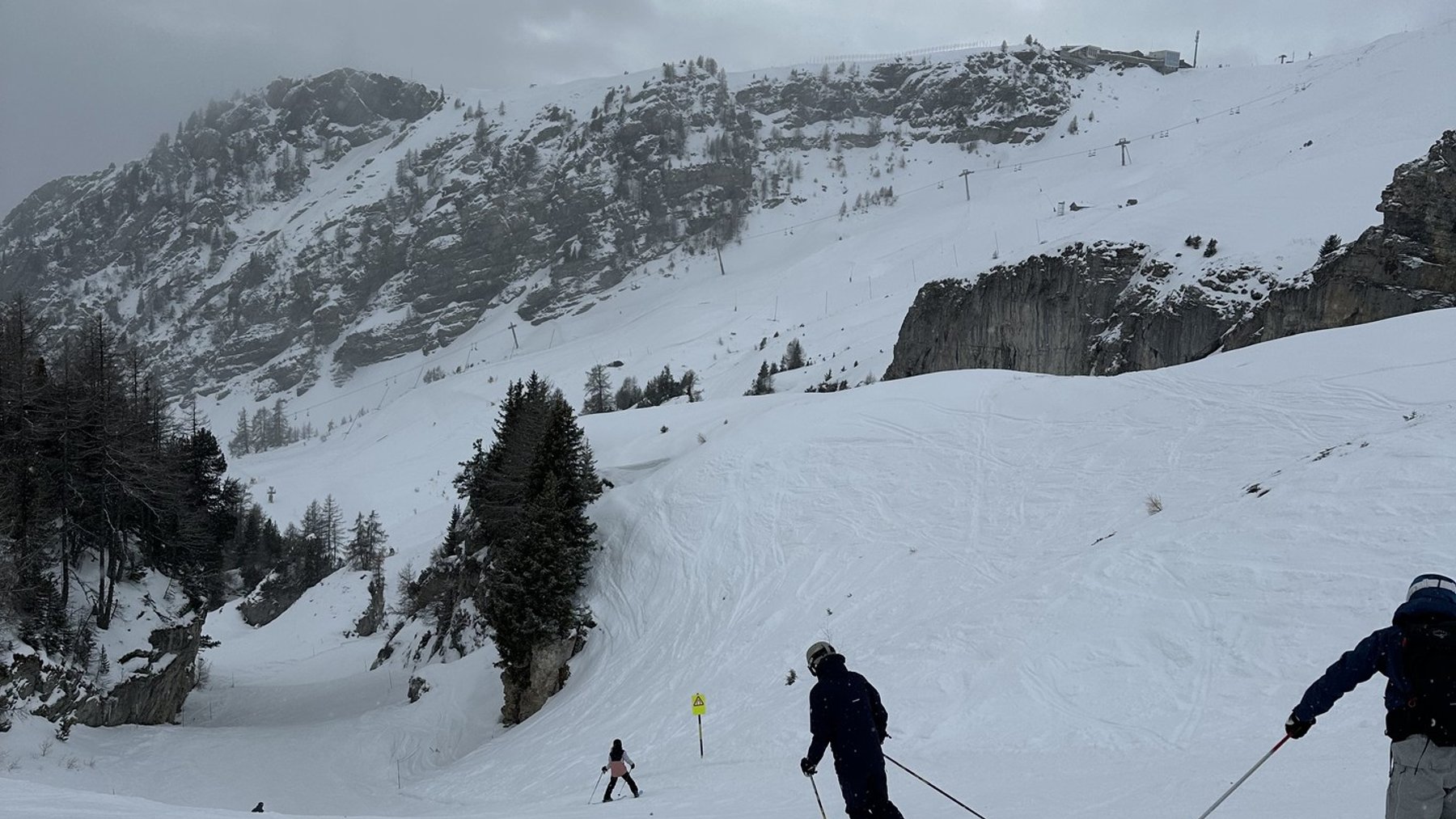
Runs such as Piste Nationale and Marmottes stand out early on. Piste Nationale in particular carries a sense of history - it has hosted World Cup racing since the 1970s and drops nearly 1,000 vertical metres down the mountain.
That racing heritage runs through the resort. Crans-Montana regularly hosts Audi Ski World Cup events, often the speed disciplines, and several sections of those courses remain open to the public. Skiing them adds a slightly different edge to the experience, particularly when the slopes are freshly prepared.
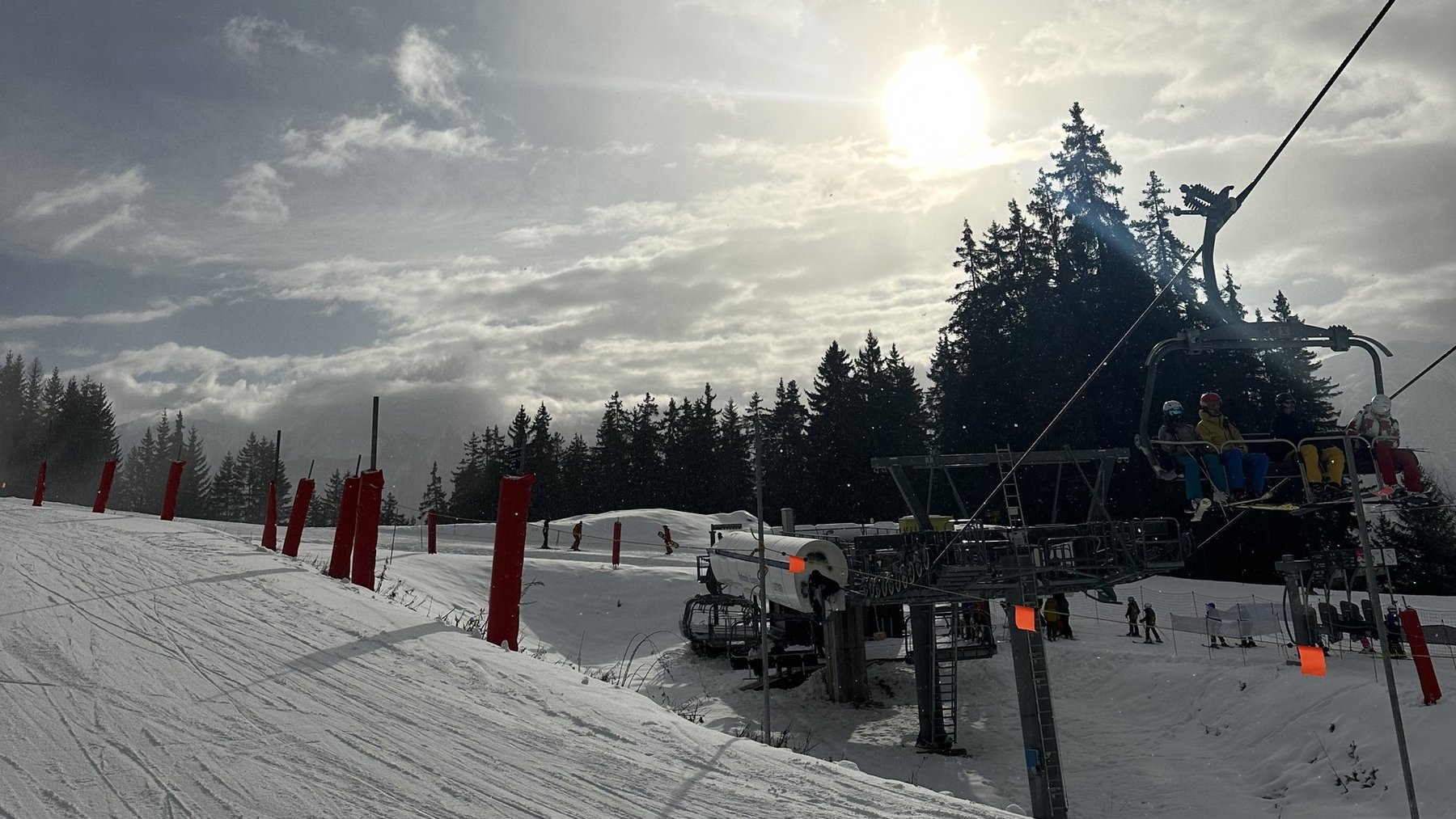
Cabane des Bois provides a useful reset - a relaxed blue run that allows your legs to recover before pushing further across the mountain.
The higher terrain, however, is where the resort really opens up. Taking the Funitel Violettes–Plaine Morte lift to just under 3,000 metres brings you onto the glacier, where the landscape becomes broader, more exposed and noticeably quieter. When conditions allow, it’s worth building a day around this area.
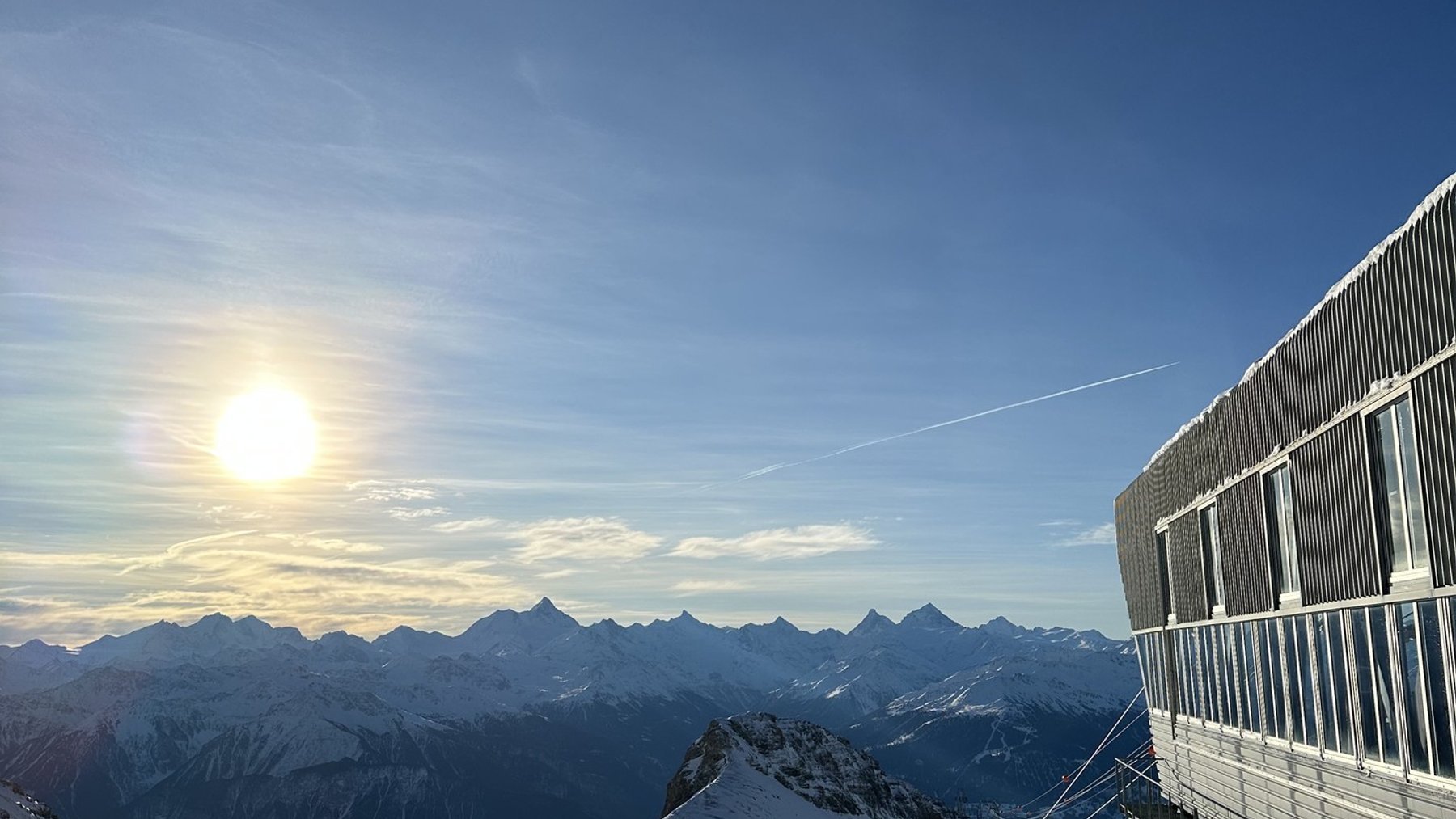
From the top, the Kandahar black run offers one of the most satisfying descents in the resort. The route begins steeply before gradually opening into longer sections lower down, eventually feeding into the calmer Le Plat blue run where you can finally ease the pace. With relatively few skiers around when we visited, the descent became one of the most memorable of the trip.
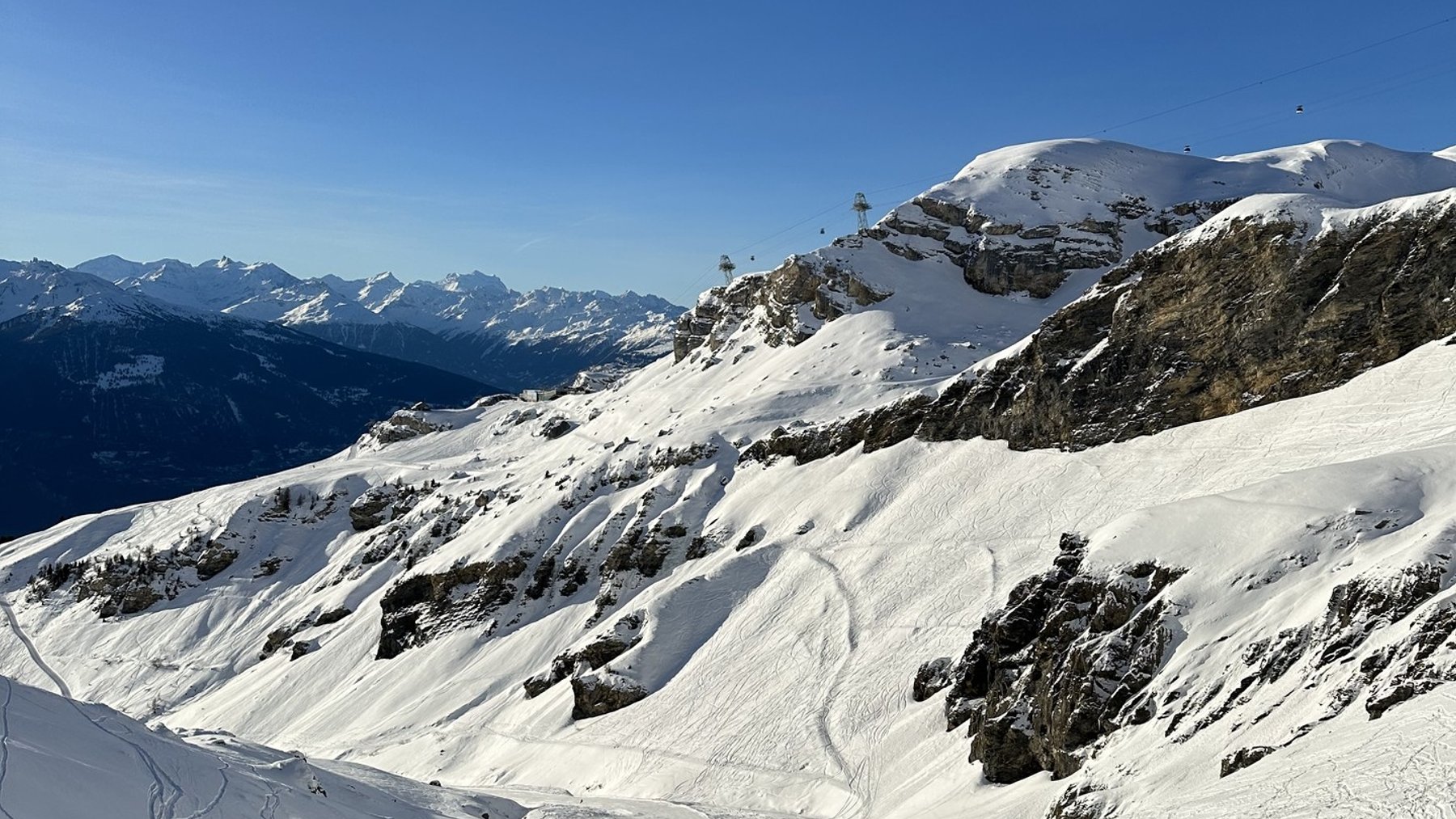
For those wanting to venture further, the surrounding terrain also offers excellent opportunities for off-piste skiing and touring. The open faces around the Plaine Morte glacier are well suited to ski touring, and the quieter edges of the resort lend themselves to exploring with a local guide after fresh snowfall.
What Else to Do
Although skiing is the main draw, Crans-Montana offers several ways to slow the pace when needed.
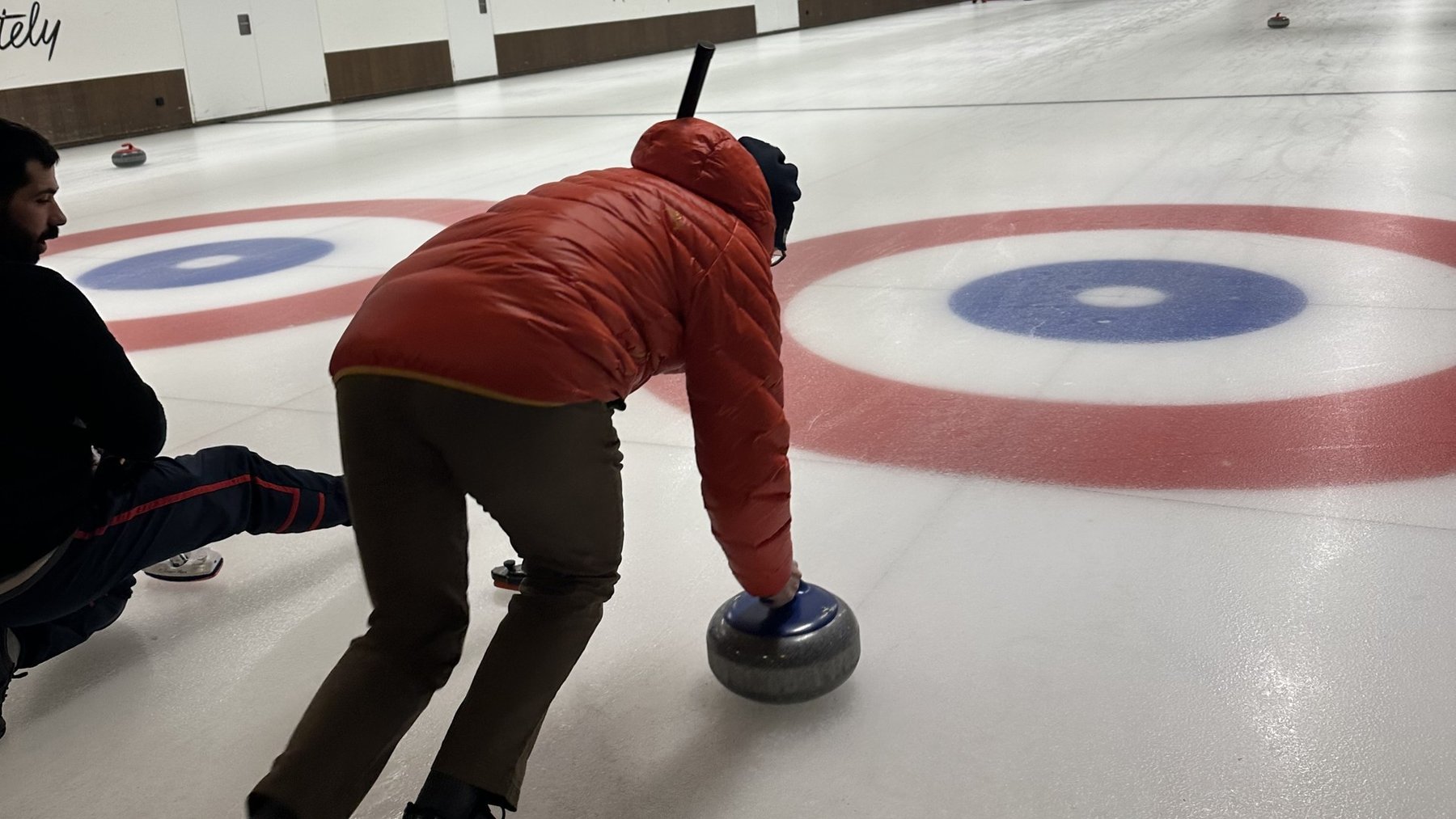
One evening we tried curling - an activity that turned out to be both easier to pick up and more competitive than expected. It proved to be an enjoyable way to spend an evening without committing to something too demanding.
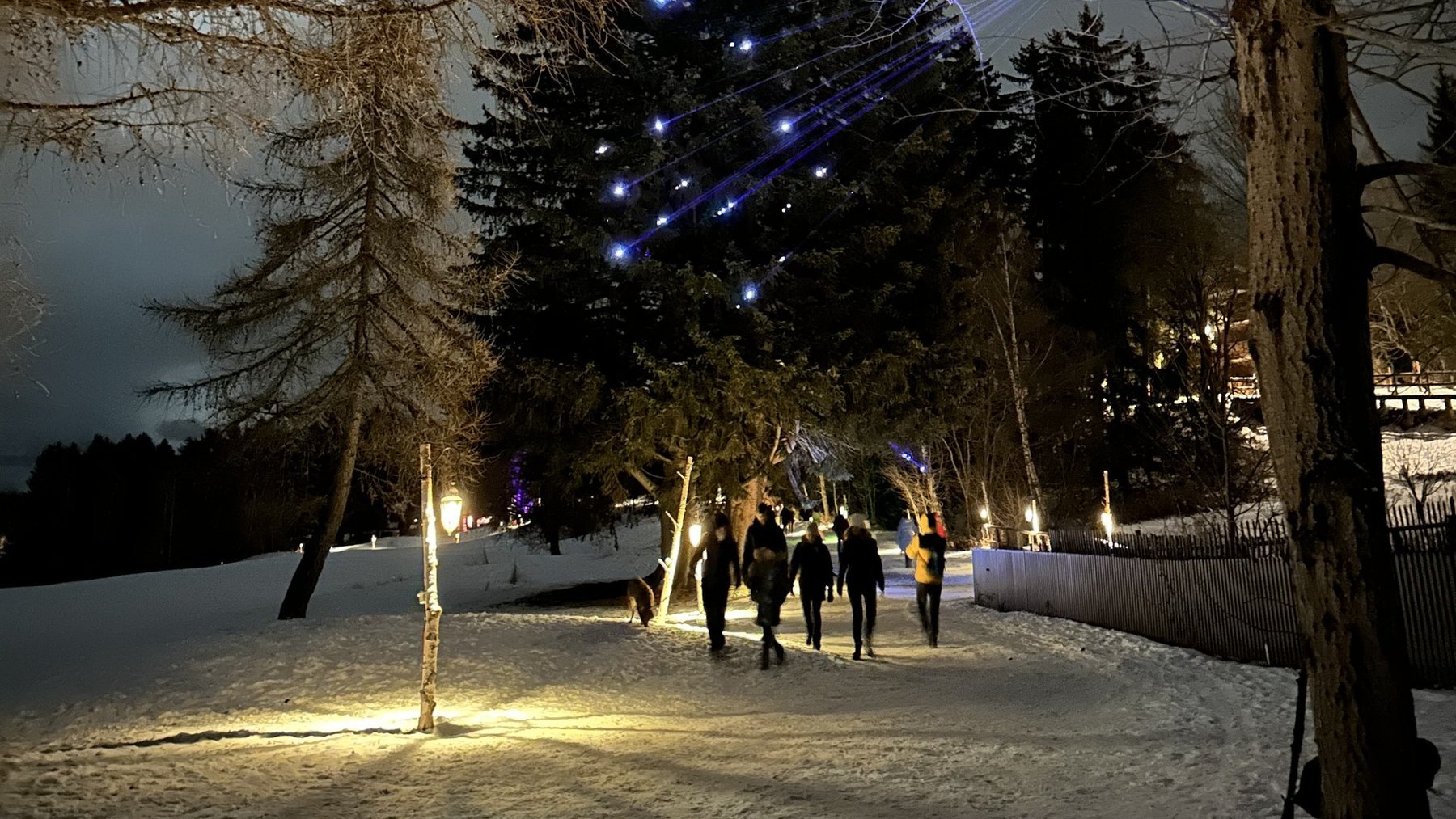
The light trail through the nearby forest is also worth exploring. The route winds through wooded sections just outside the centre of town, with installations and lighting guiding the path. It works particularly well as an evening walk after dinner.
Otherwise, the resort lends itself to simple pleasures: wandering through town, stopping for drinks that turn into early nights, or simply resting properly before the next day on the mountain.
The Verdict
Crans-Montana offers just enough scale to explore comfortably over several days without ever feeling complicated.
The layout encourages you to move naturally across the terrain, discovering quieter areas while still ending up somewhere appealing for lunch without much planning.
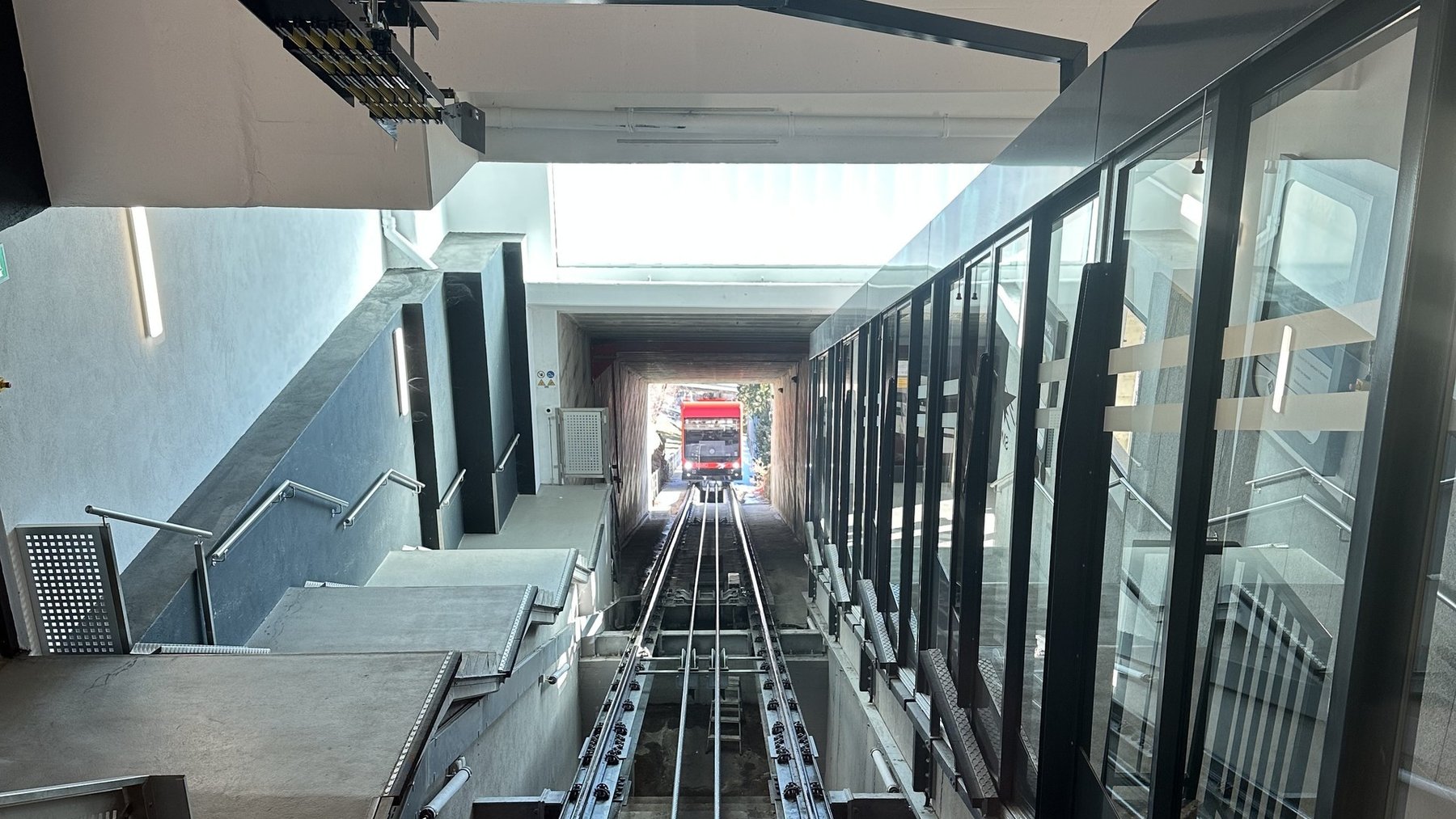
Getting there sets the tone early. From Geneva it’s a direct train to Sierre/Siders with impressive views throughout the journey, followed by a twelve-minute funicular ride straight up the mountainside into the resort.
The south-facing position gives the resort a distinct character, with longer hours of sunlight and afternoons that seem to stretch across the valley. Combined with glacier access higher up, the terrain maintains variety even as conditions change.
It’s also a resort that feels as though it’s evolving. Investment in lifts and infrastructure is beginning to reshape parts of the mountain, while World Cup racing continues to keep it firmly on the map.
Crans-Montana still feels unmistakably Swiss - it’s simply becoming a little sharper around the edges.
Author · Places desk
Ryan Chambers
Ryan Chambers is the editor of The Ski Standard, covering equipment, resorts and the people who shape modern skiing.

