
The Ski Standard guide to La Rosière
A practical 2026/27 guide to La Rosière, covering the cross-border ski area, family logistics, best terrain, travel options and the cost of a week.
La Rosière sits at about 1,850m in the Tarentaise, above Bourg-Saint-Maurice and facing Les Arcs across the valley. Its defining feature is the lift link into La Thuile in Italy, forming the Espace San Bernardo, a connection that has operated since 1984.
The resort works best for families, beginners and intermediates who want sunny, gentle French pistes with the option of an Italian day trip. Advanced skiers gained more to do when the Mont-Valaisan sector opened in 2018, though experts will find less terrain than at larger resorts.
The skiing
The official ski-area figures give 156km of certified pistes and 39 lifts across both countries, with skiing from 1,176m to 2,800m. The piste mix is 45 per cent green and blue combined, 40 per cent red and 15 per cent black. Other sources publish slightly different totals, between roughly 152km and 160km, but the shape of the area is consistent: broad, open, south-facing skiing on the French side and more tree-lined, north-facing terrain above La Thuile.
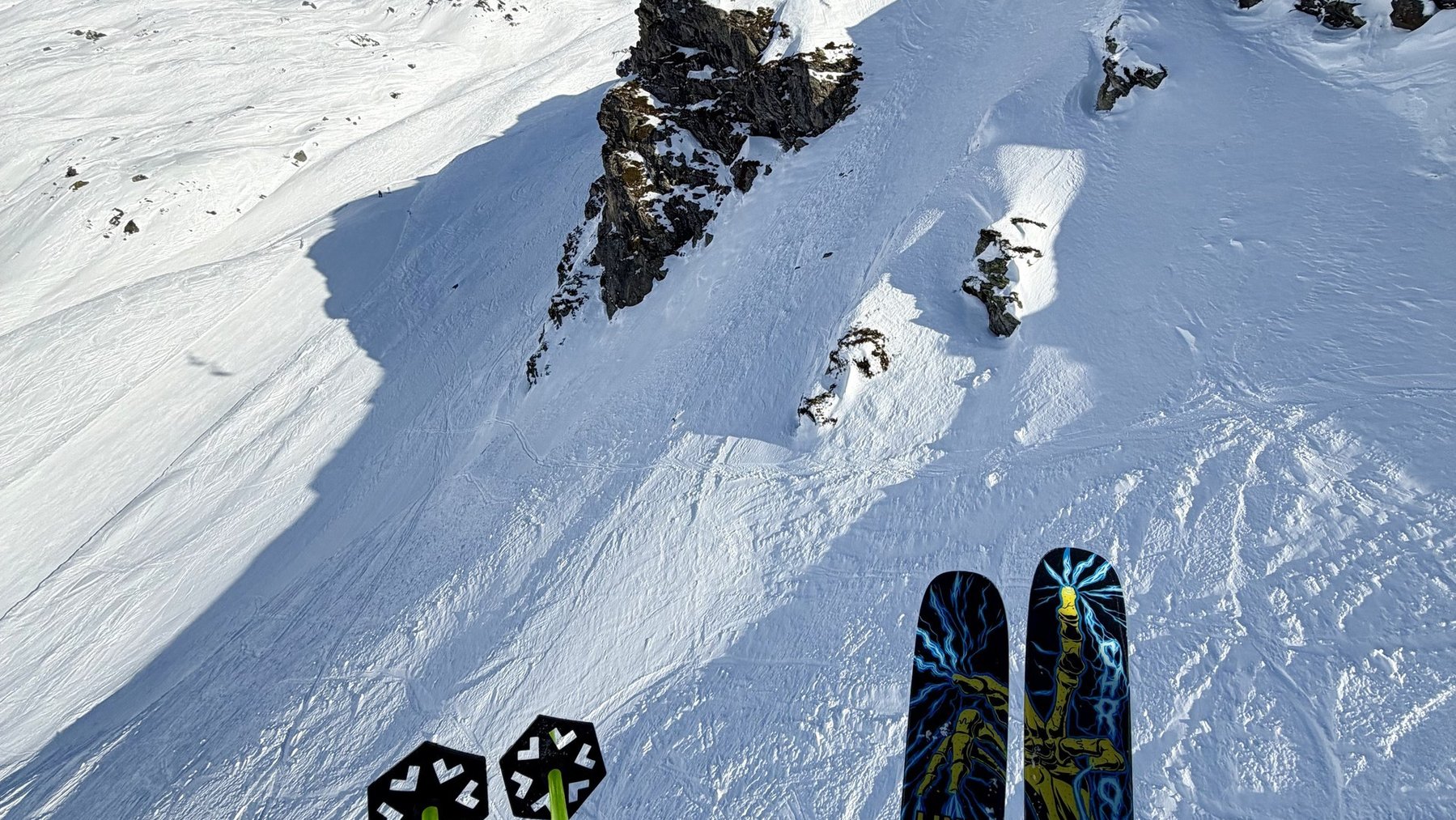
That dual exposure is the area's main asset. The French slopes give long sunny cruising, while the Italian side holds snow better in warm spells and offers shelter in the trees. A sensible day starts with laps on the French side, crosses to La Thuile for a change of scenery and an Italian lunch, then allows enough time to return before the lifts close. The link can shut in high winds, so on a windy morning do not commit to the far side without a plan for getting home.
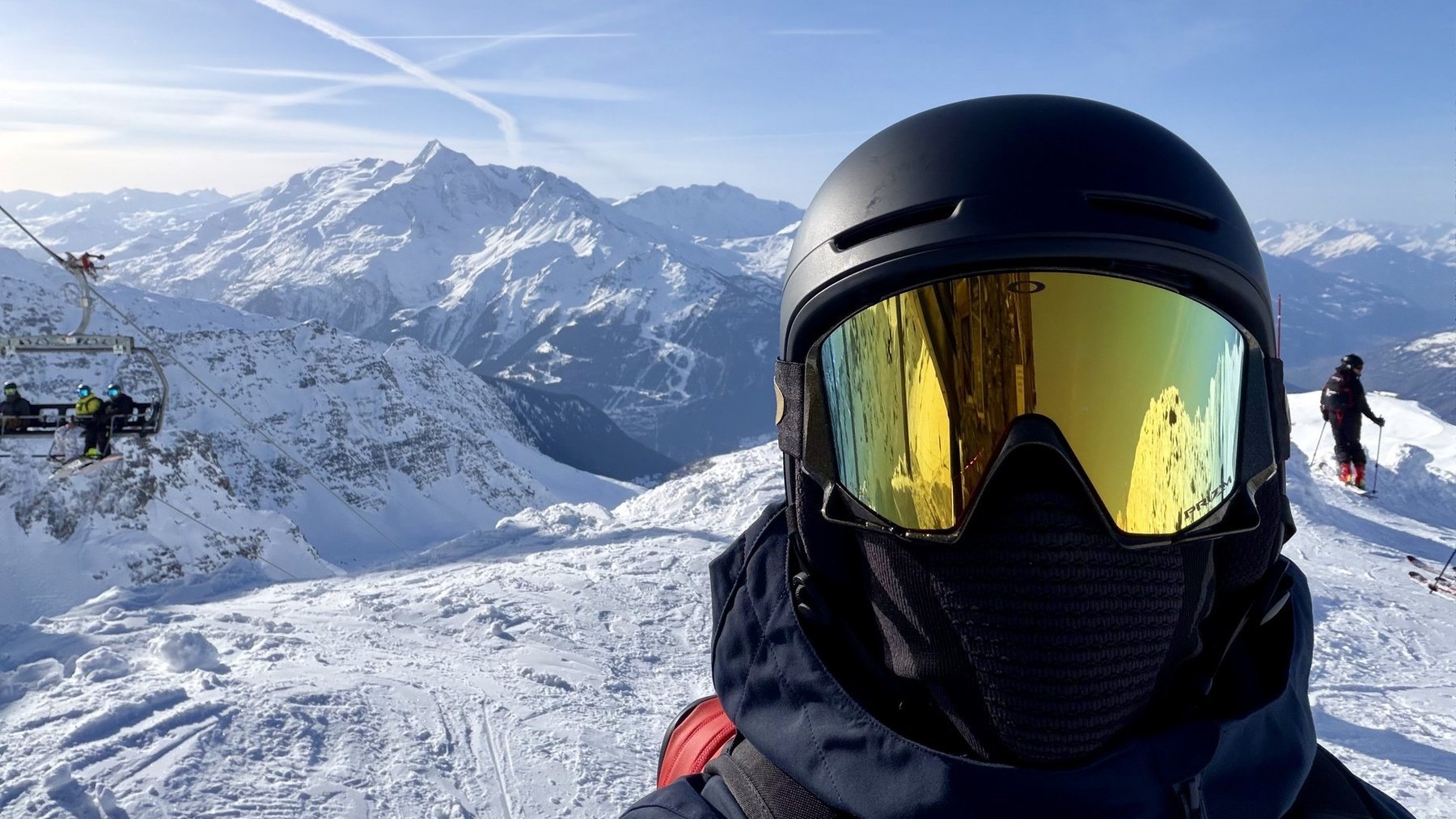
Snow reliability benefits from the 1,850m village altitude, with snowmaking on the key French runs. InTheSnow identifies January and February as the most consistent months. Because the slopes face south, lower French pistes soften first in warm weather, which is when the Italian side is most useful.
Note one rule change for this winter: helmets are mandatory for everyone on Italian slopes, at any age, with fines of up to €200 possible. Smoking is also banned in lift queues, on chairlifts and on the pistes.
Best for beginners
La Rosière is a strong place to learn. The nursery slopes are wide, the base is high enough for dependable snow, and the pistes are quieter than in the big-name Tarentaise resorts. The Dahu drag lift was replaced by a four-seat chairlift for 2023/24, which made the step from the Lutins carpet onto the green and blue pistes above much easier. The Petit Saint-Bernard adventure slope, a green forest run with play features, gives new skiers a first taste of skiing beyond the nursery area.
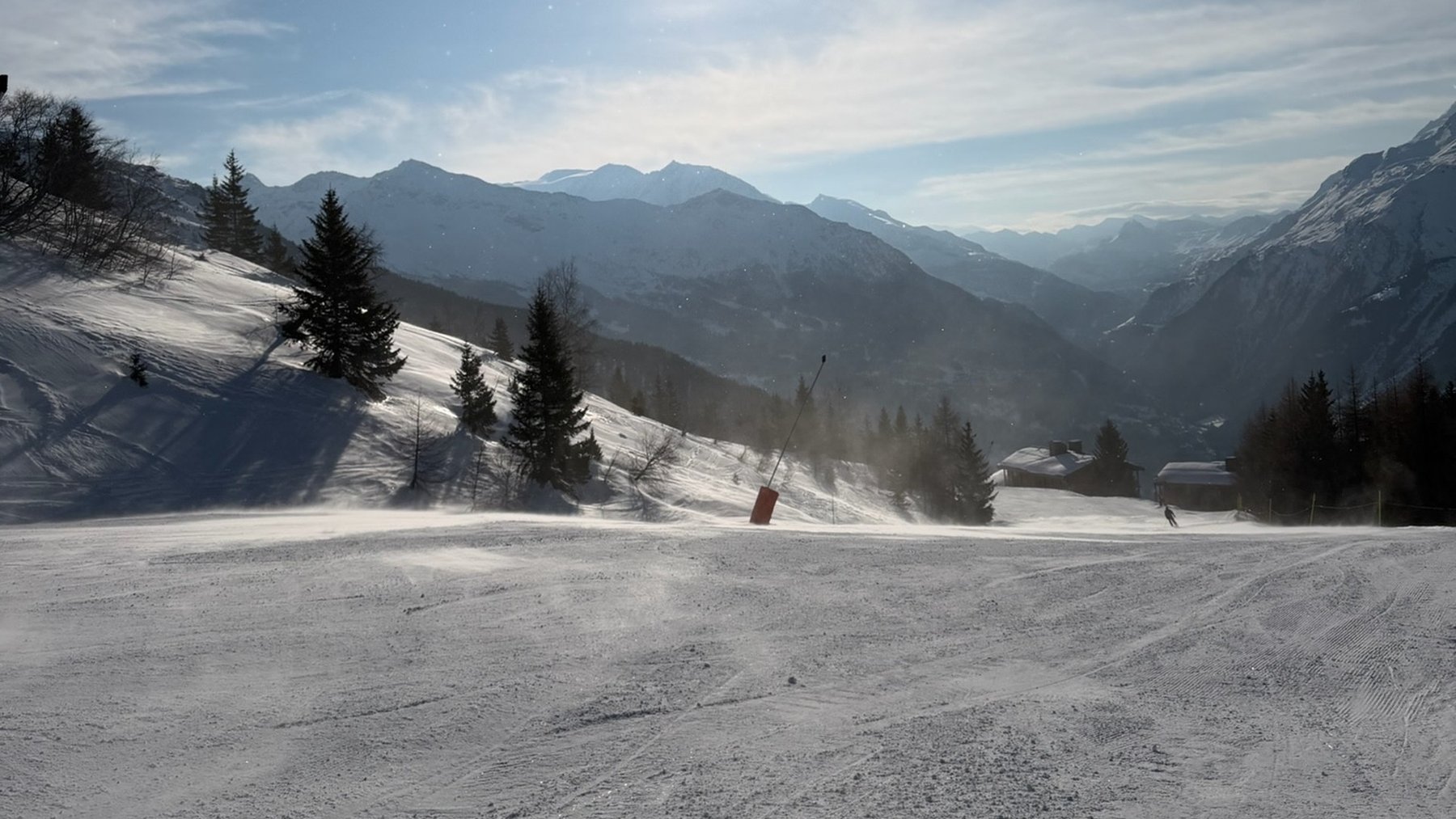
For three consecutive hours, beginners can use a pass on selected lifts, which is better value than the full international pass in the first days. Group lessons run from age three, snowboard lessons from eight, and the Club des Galopins combines childcare with ski lessons. Places are limited, so reserve early during school-holiday weeks. Leave Italy until the basics are secure; the French-side progression terrain is the logical starting point.
Best for intermediates
Intermediates are the best-served group. The French side has long, open blues and reds built for big turns and confidence, while La Thuile adds tree-lined pistes and different snow. A full France–Italy circuit makes a satisfying day for anyone comfortable on reds, and the cross-border pass is where the resort's value sits for skiers staying a week.
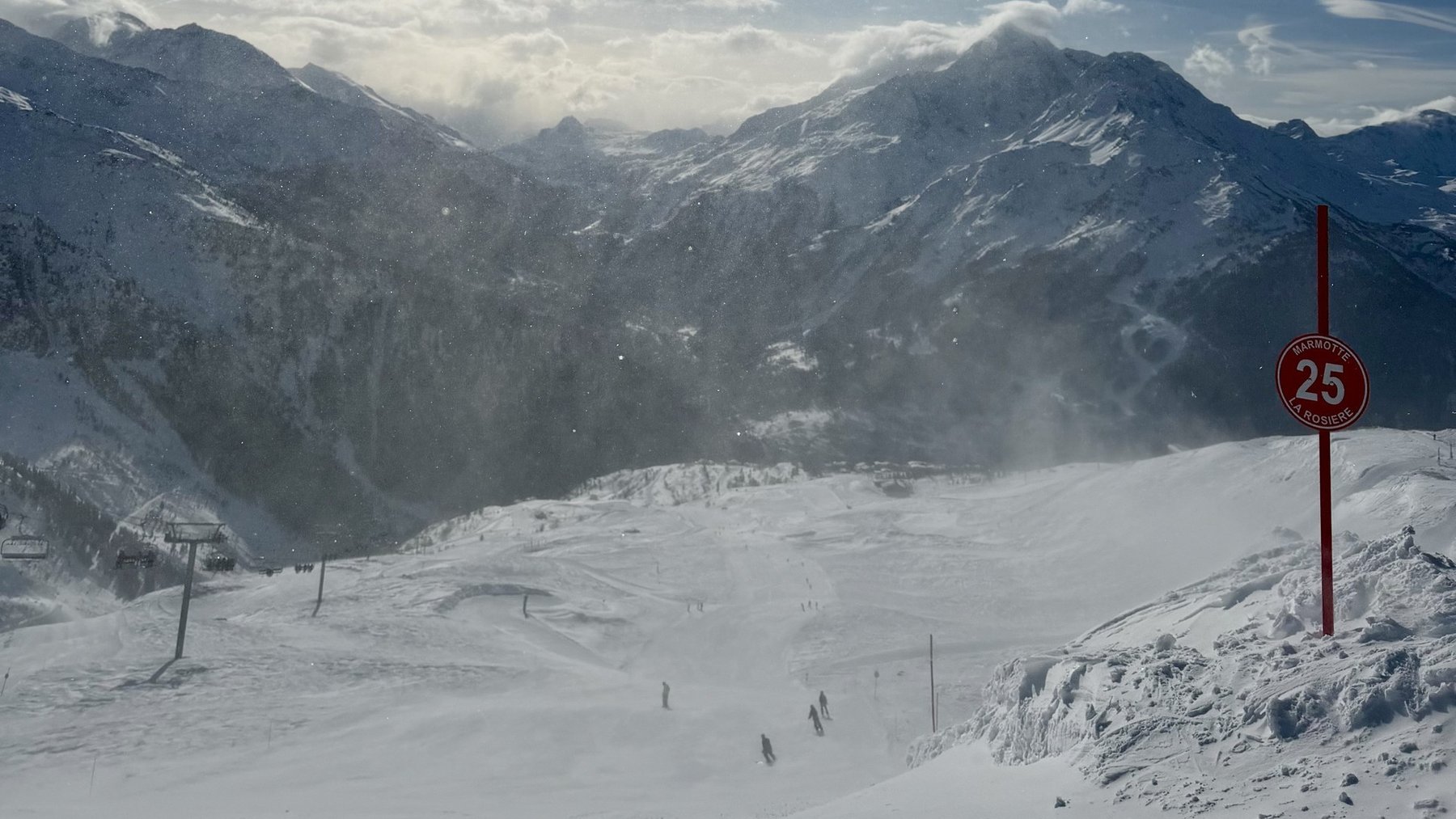
Mont-Valaisan's five red pistes are the step up, reaching the area's high point at 2,800m with views towards Mont Blanc. The Franco Berthod, a 3.6km piste that hosts ski and telemark World Cup stages, is the main challenge for strong skiers.
Best for advanced skiers
The Mont-Valaisan sector, a €15m expansion opened in December 2018, added two chairlifts and the area's most technical French-side skiing, including freeride terrain facing the Aosta Valley. The Etagne piste has a wall with a stated gradient of 74 per cent. Across the international area there are 14 black runs, spread out rather than concentrated in one expert sector.
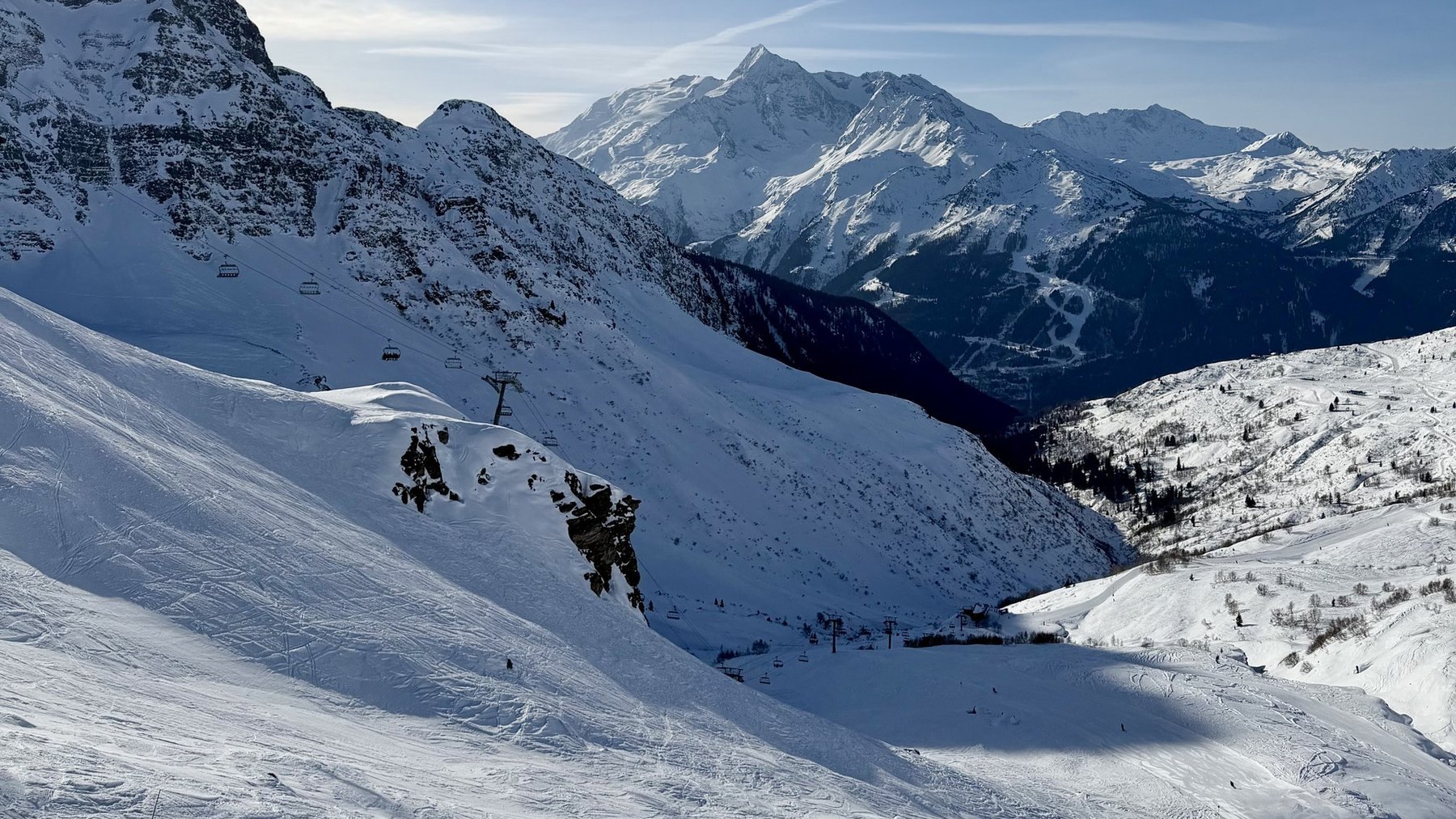
The Italian side offers the better off-piste, and La Rosière remains one of the few French resorts where heli-skiing is available, with ESF employing two qualified high-mountain guides. Anyone heading off-piste needs avalanche equipment, current conditions information and, without local knowledge, a guide.
Tourers get three free secured routes, marked uphill tracks managed by the resort, ranging from 483m to 754m of climbing. The La Poletta snowpark is modest, around 300m long with green, blue and red lines.
Families and non-skiers
La Rosière has held the Famille Plus label for more than a decade.
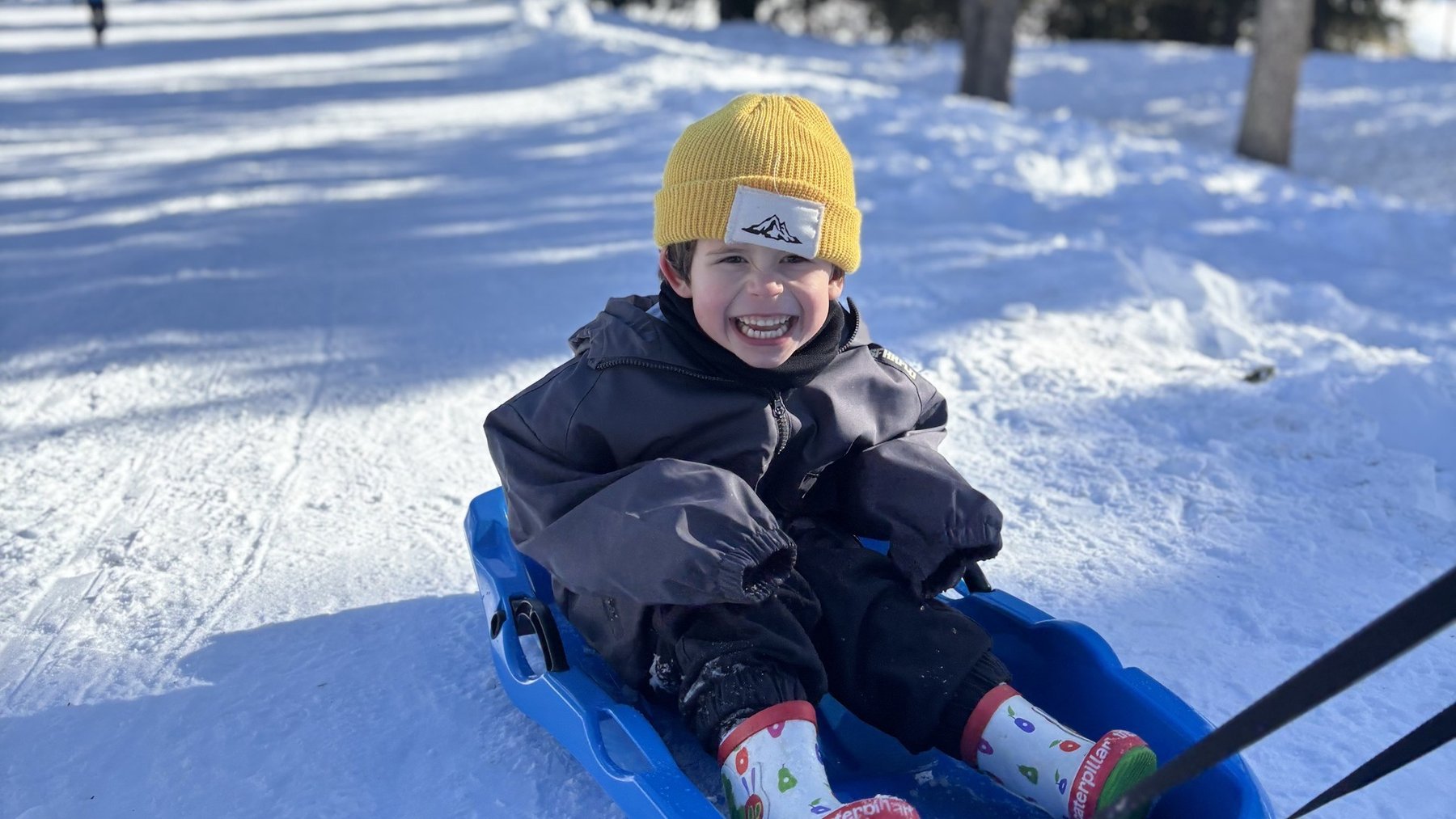
Off the snow there are two sledging areas, a 700m X-treme Luge run reaching 45km/h, a 360m² indoor ice rink in Les Eucherts, an indoor climbing wall, bowling and about 11km of free marked walking and snowshoe trails. The 1km floodlit forest path between the two hubs doubles as an easy evening walk.
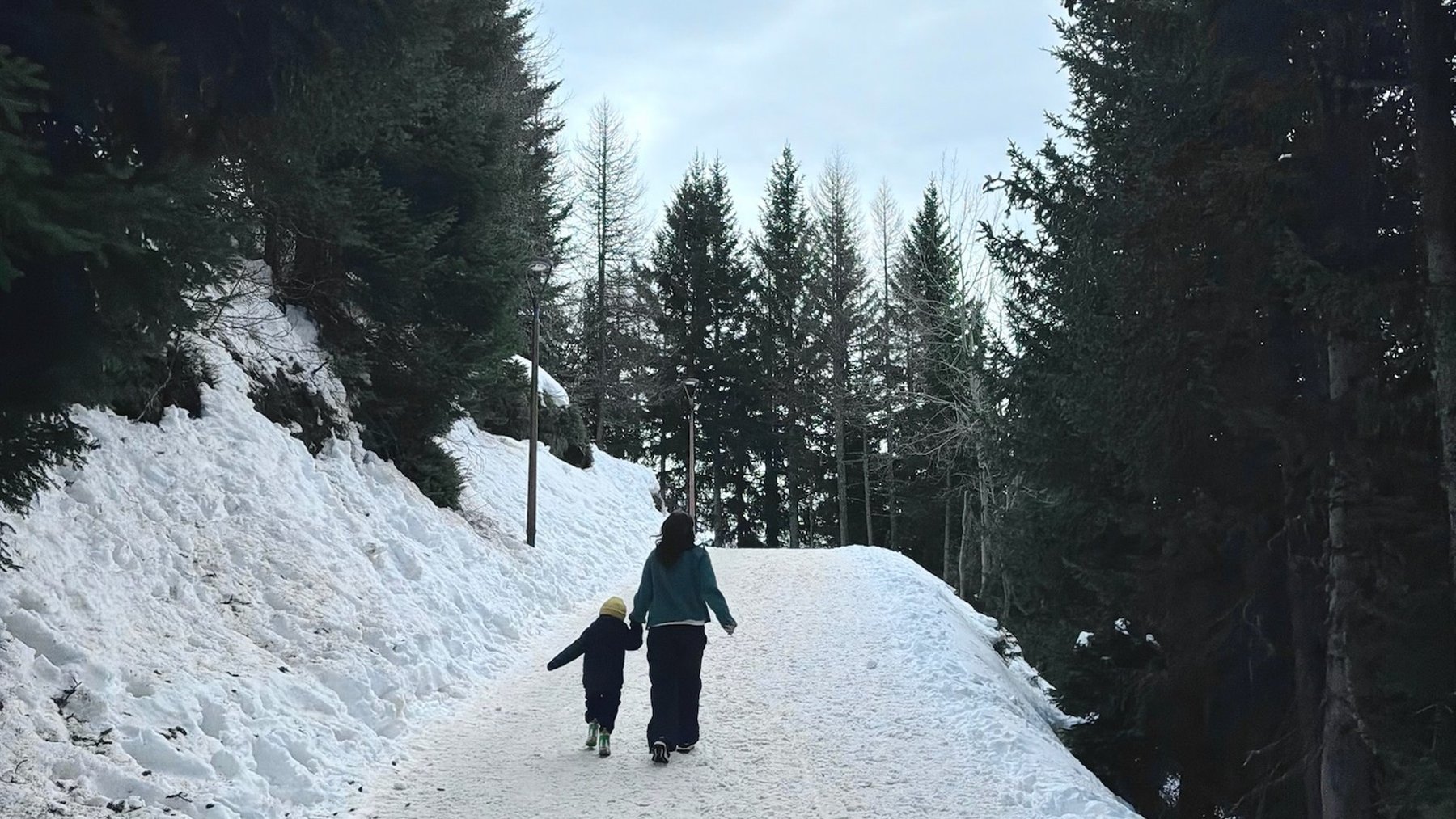
For mixed groups, check accommodation logistics carefully. Our account of a family week in La Rosière with a non-skiing autistic five-year-old found the resort workable but with some practical drawbacks: high winds narrowed the outdoor options for days, and a closed apartment reception meant the stroller lift to street level was unavailable for whole afternoons. Ask about reception hours and step-free access before booking, not after arriving.
Eating on the mountain
The resort counts around 30 restaurants and snack bars across both hubs and the mountain, from Savoyard staples on south-facing terraces to takeaway stops. The Village Igloo, a 130m² igloo complex with a bar and lunch service reached via the Plan du Repos chairlift, is the novelty option and is accessible to pedestrians. For a change of pace, time the crossing to Italy for lunch in La Thuile, where the food changes as much as the skiing.
Après-ski and nightlife
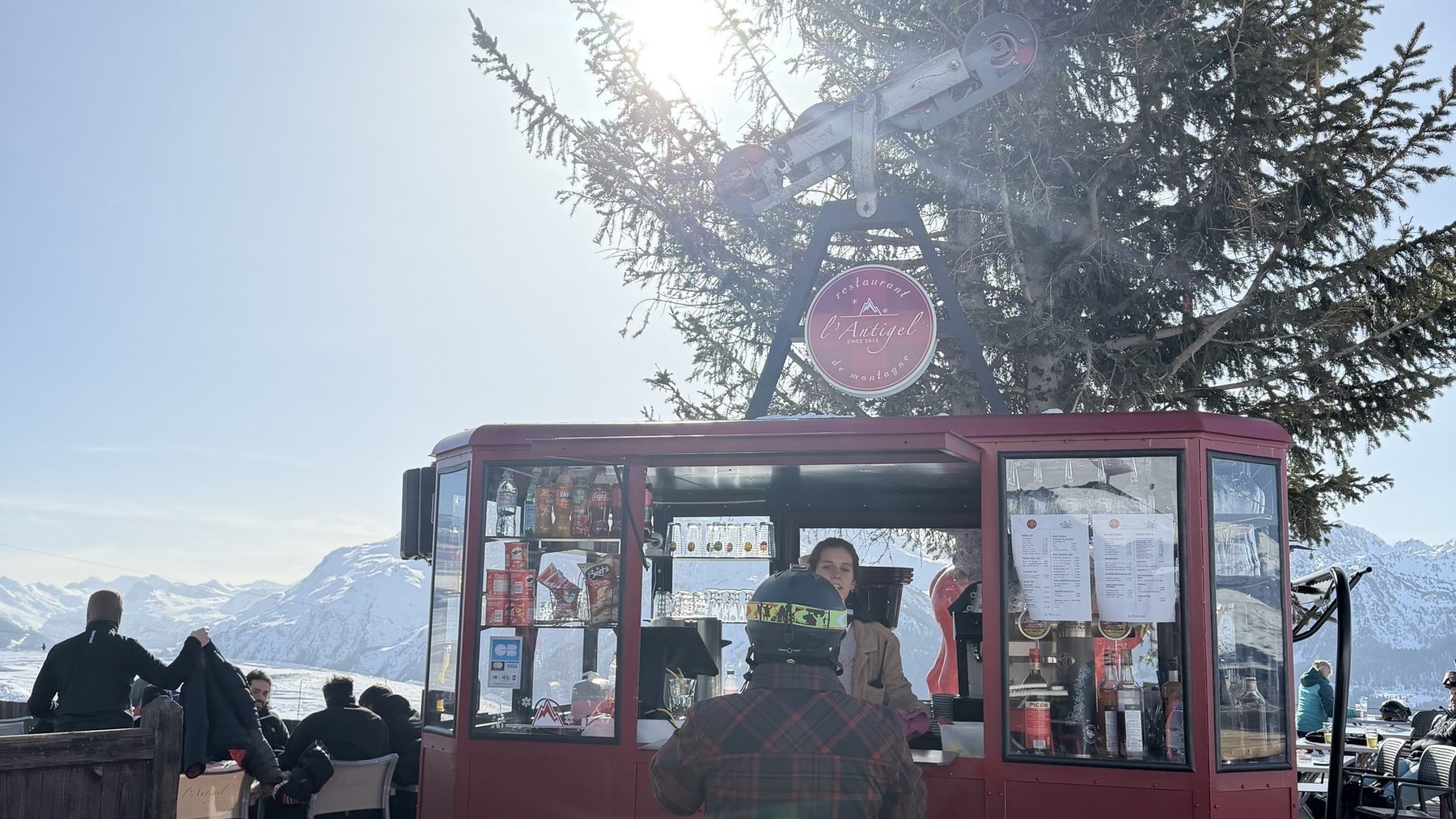
Après is quiet and family-oriented. H40 Brasserie at the Hyatt Centric in Les Eucherts has an open fire and Friday live music on its terrace. Le Comptoir runs DJs and televised sport until 2am, and Moo Bar in Les Eucherts is listed as open until 4am, but nightlife elsewhere is limited. On the mountain, L’Antigel is a good stop for drinks or traditional food, with a large piste-side terrace. Val d'Isère, Tignes and Les Arcs are a short drive away for a bigger night.
The village
La Rosière is two connected hubs. La Rosière Centre is the original village, with the main snow front, shops and central sledging. Les Eucherts, the newer eastern development, has the ice rink, bowling, tourist office and much of the family infrastructure. The 1km floodlit forest path links them, and free shuttles run roughly every 15 minutes.
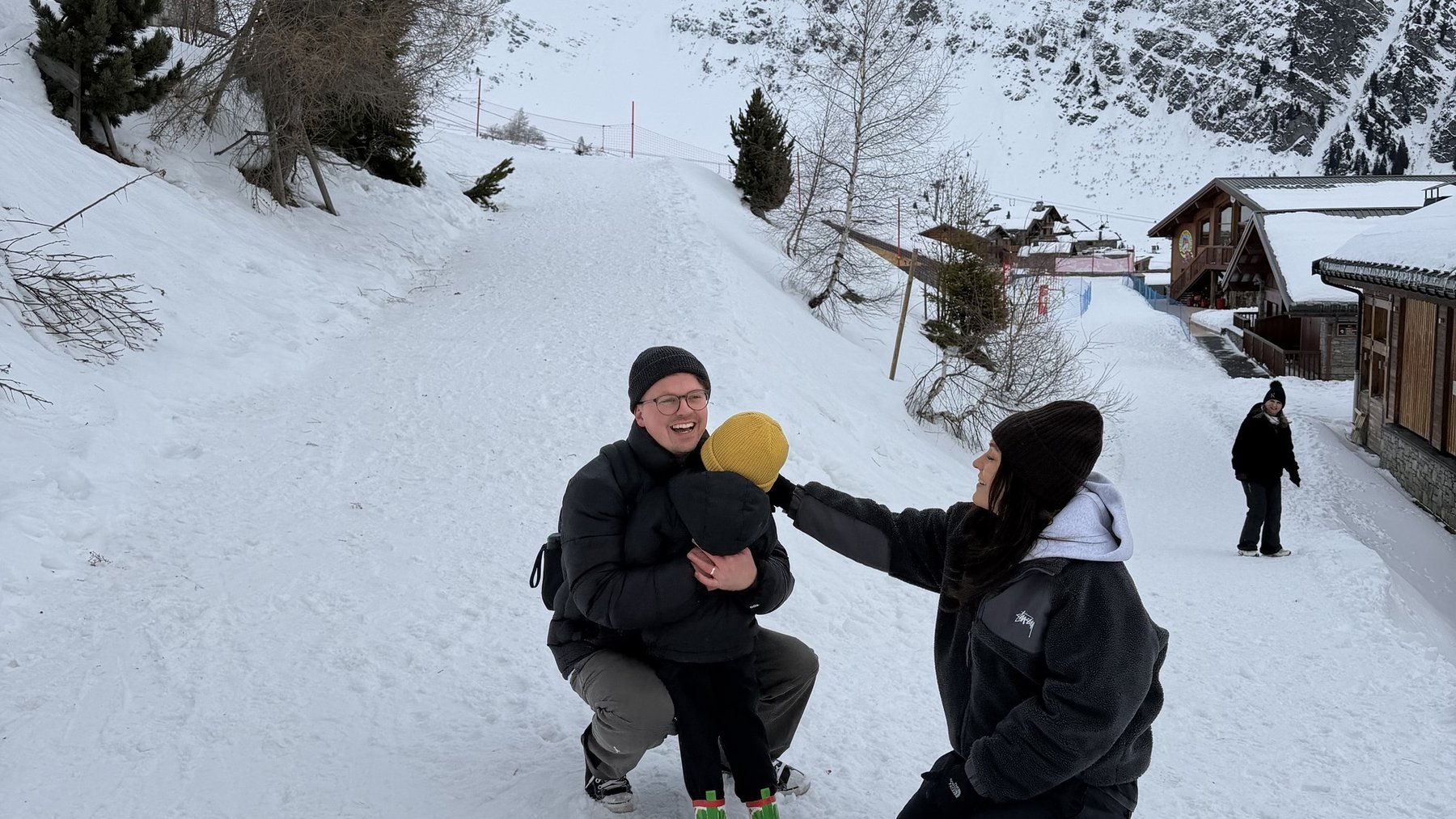
The architecture is chalet-style rather than concrete-block, and the compact layout means most accommodation offers genuine or near ski-in/ski-out access. Services cover the basics: two supermarkets, bakeries, a pharmacy, a doctor's surgery and a laundrette.
Where to stay
- Best overall: either hub, chosen by priority. La Rosière Centre for the original village and beginner areas; Les Eucherts for childcare, restaurants and newer slope-side buildings.
- Best for families: Les Eucherts. The childcare, ice rink, bowling and family activities cluster here, with the forest path to the main village.
- Best self-catered: a two-bedroom apartment in either hub. A kitchen and a separate living room help families with a non-skier or a child who needs downtime.
- Access checks: confirm whether the building lift runs all day, when reception closes, and whether ski-in/ski-out means the door or a short walk.
Getting there
Bourg-Saint-Maurice, about 16km below the resort, is the railhead, with TGV connections and onward transfers. By rail from the UK, allow a full day: our family's Peterborough to La Rosière journey via Eurostar and a Paris station change took around 15 hours door to door.
Chambéry is the closest airport at about 135km, with Lyon, Geneva and Grenoble all in the 205 to 215km range and transfers of roughly two and a half hours. Altibus shuttles run from Geneva and Lyon in winter. Drivers come via Albertville, Moûtiers and Bourg-Saint-Maurice; the Petit-Saint-Bernard pass is closed in winter, and winter equipment is mandatory on the approach roads from 1 November to 31 March. Once in resort, a car is unnecessary.
What does La Rosière cost?
La Rosière is one of the cheaper ways to ski the Tarentaise at altitude. The published pass prices for the full Espace San Bernardo are €59 for an adult day and €301 for six days, well below Courchevel or the Portes du Soleil. A family discount cuts 8 per cent off longer passes for groups of four or more, and a pedestrian pass starts at €19.50.
Season-pass buyers should note the flash sale from 28 September to 1 October 2026, which cuts the adult season pass from €796 to €477.50 and includes five ski days in the Portes du Soleil. Purchases through that site give area access via La Rosière only.
Accommodation skews towards apartments where guests cater for themselves and guesthouses managed by families rather than five-star hotels, which keeps a week here closer to the middle of the French price range. The main costs to watch are school-holiday weeks and transfers; the skiing itself is decent value for what the pass opens up.
Author · Places desk
Author · Places desk
Ryan Chambers
Ryan Chambers is the editor of The Ski Standard, covering equipment, resorts and the people who shape modern skiing.

